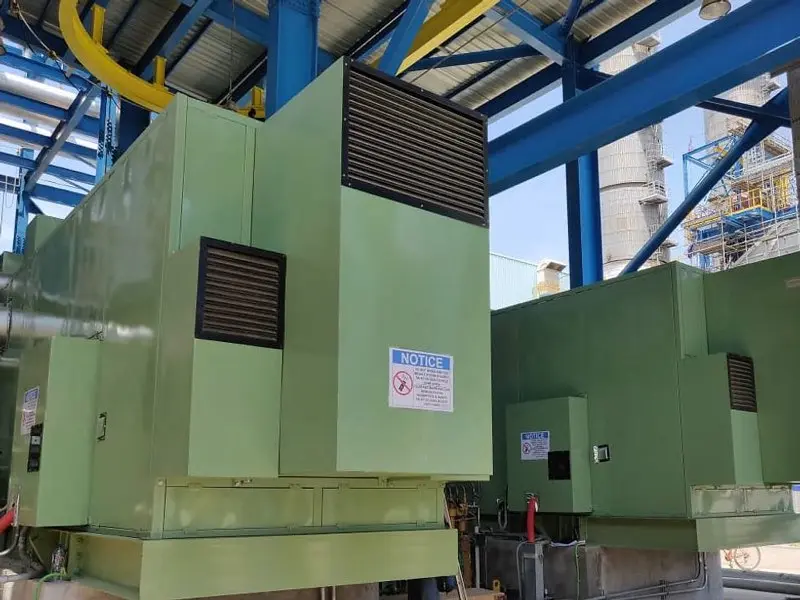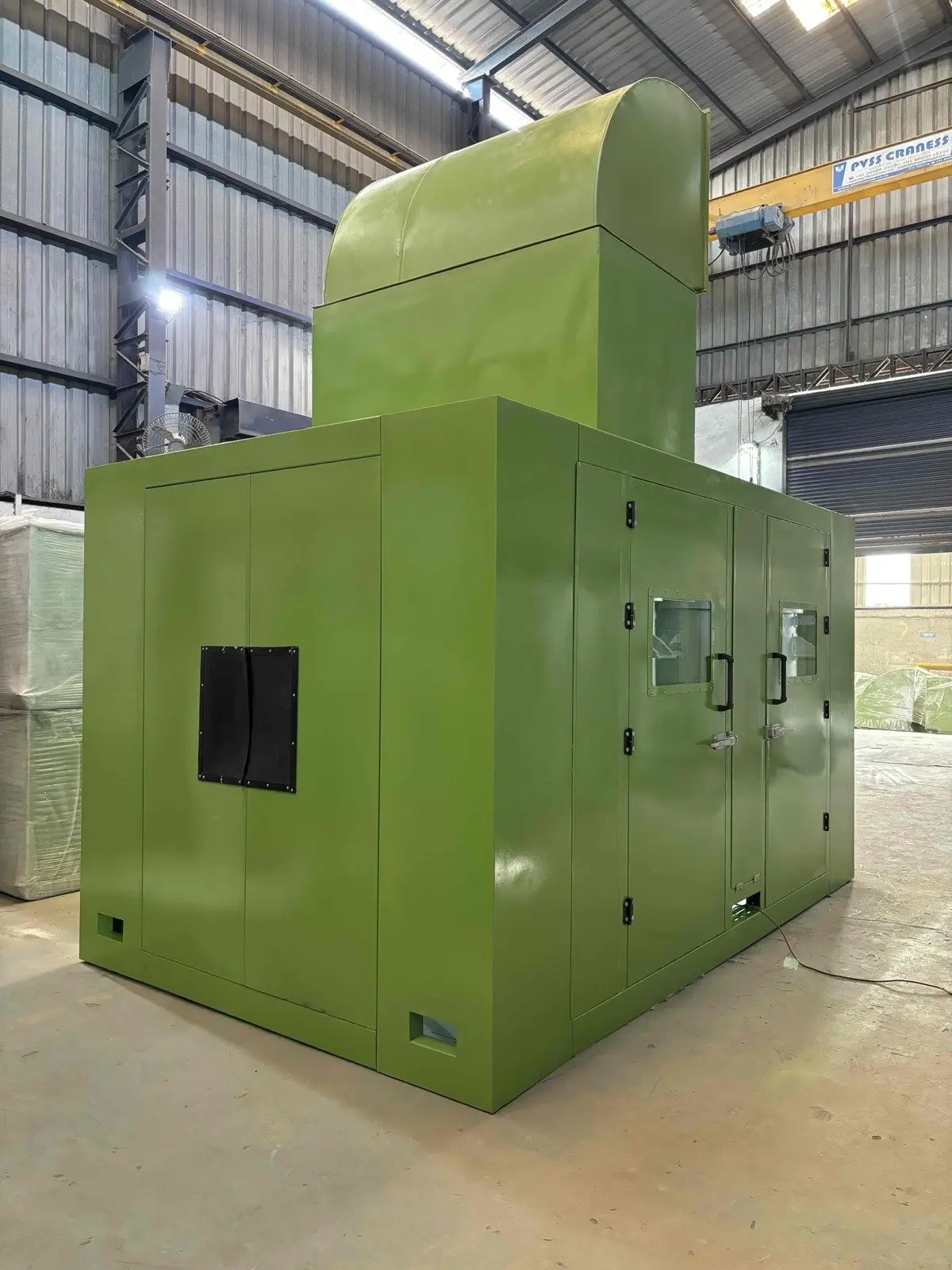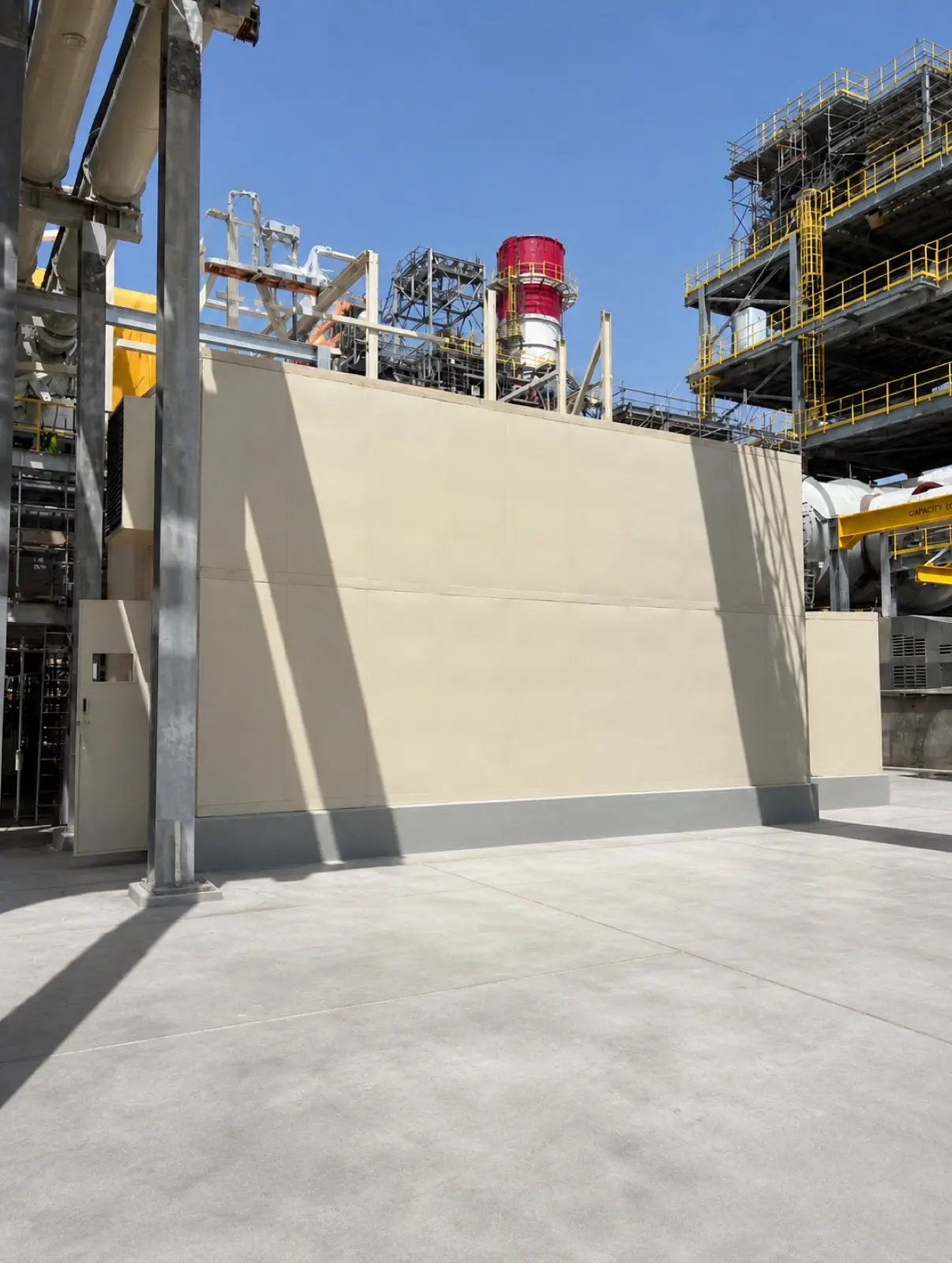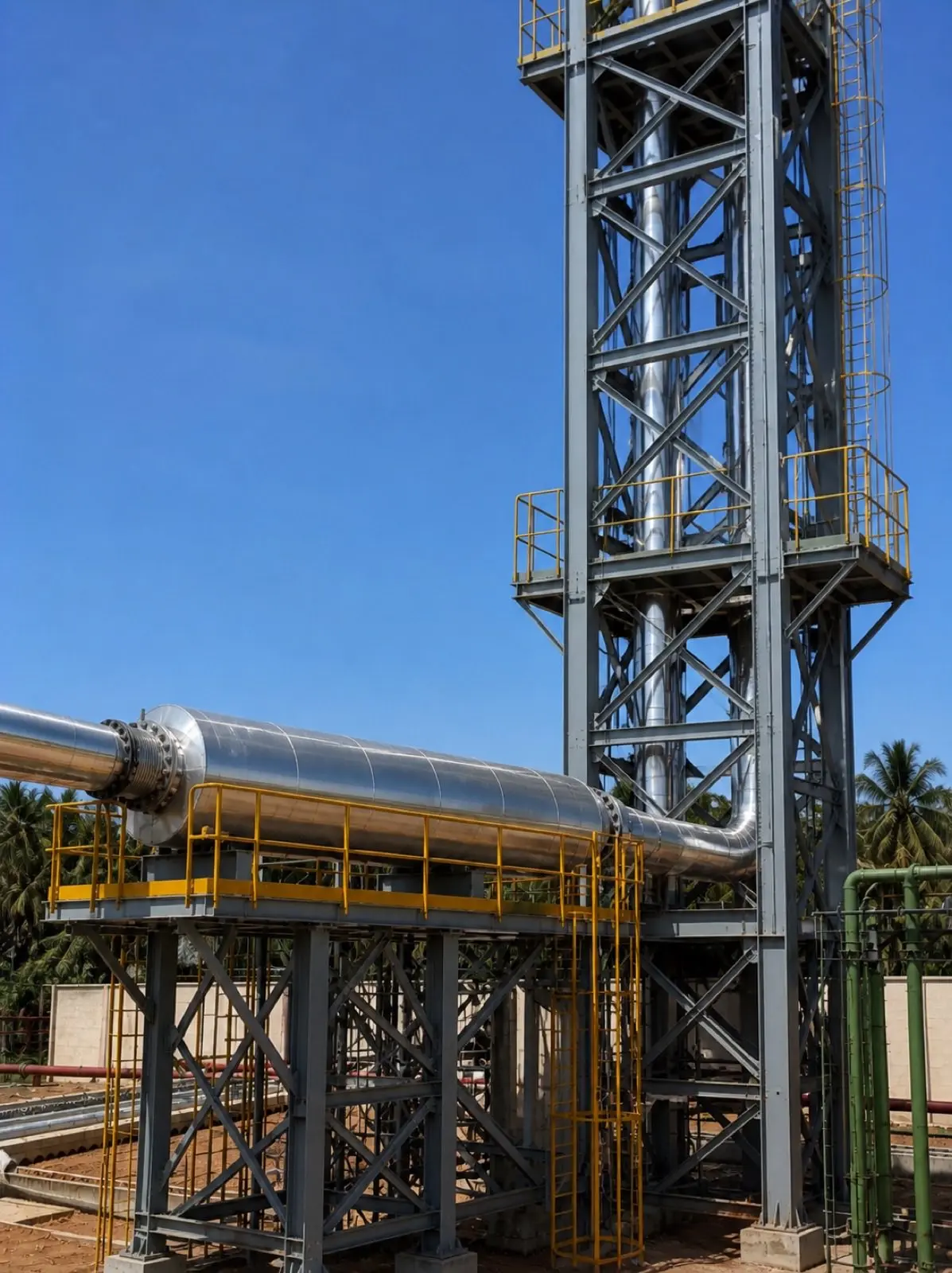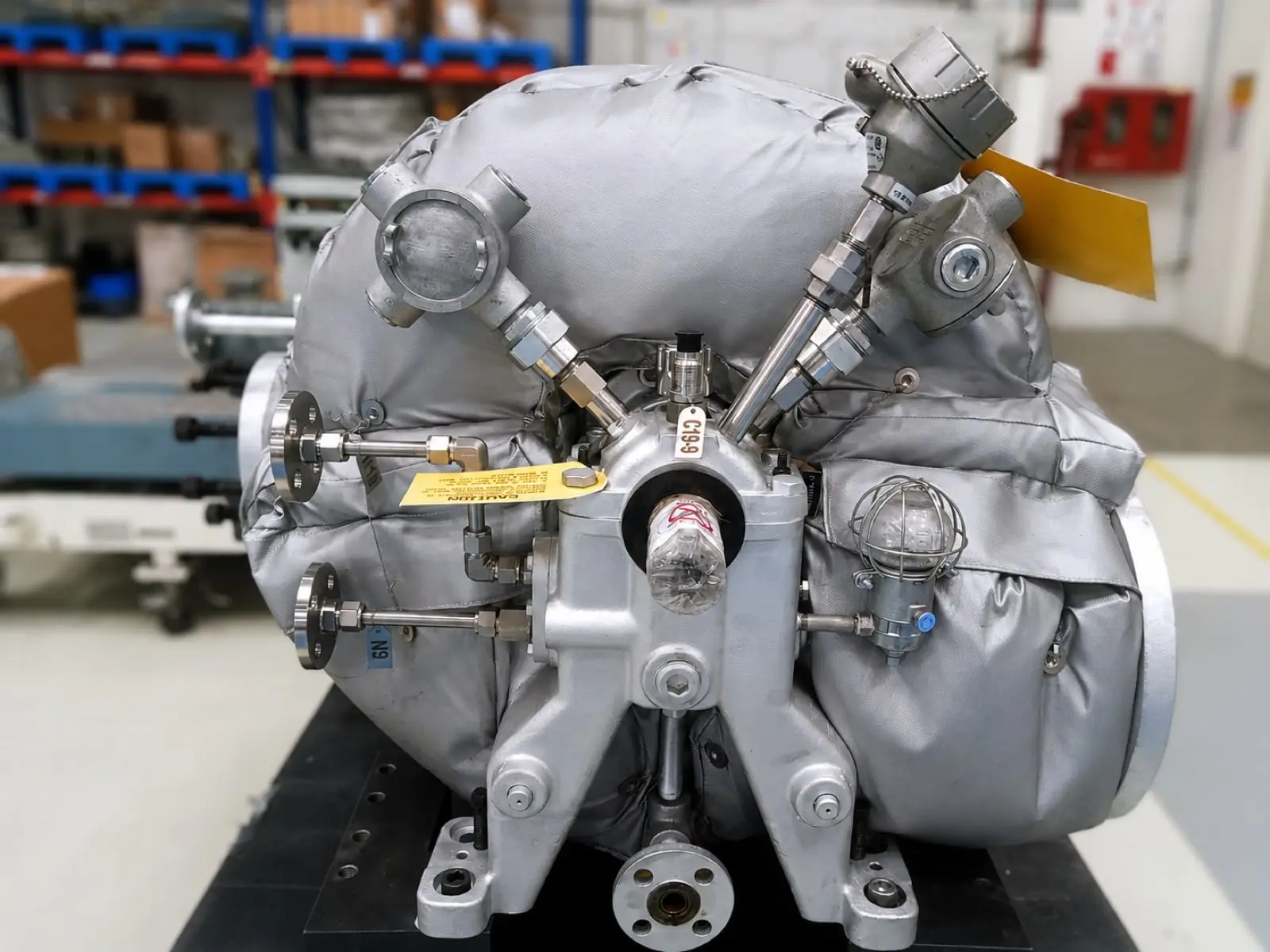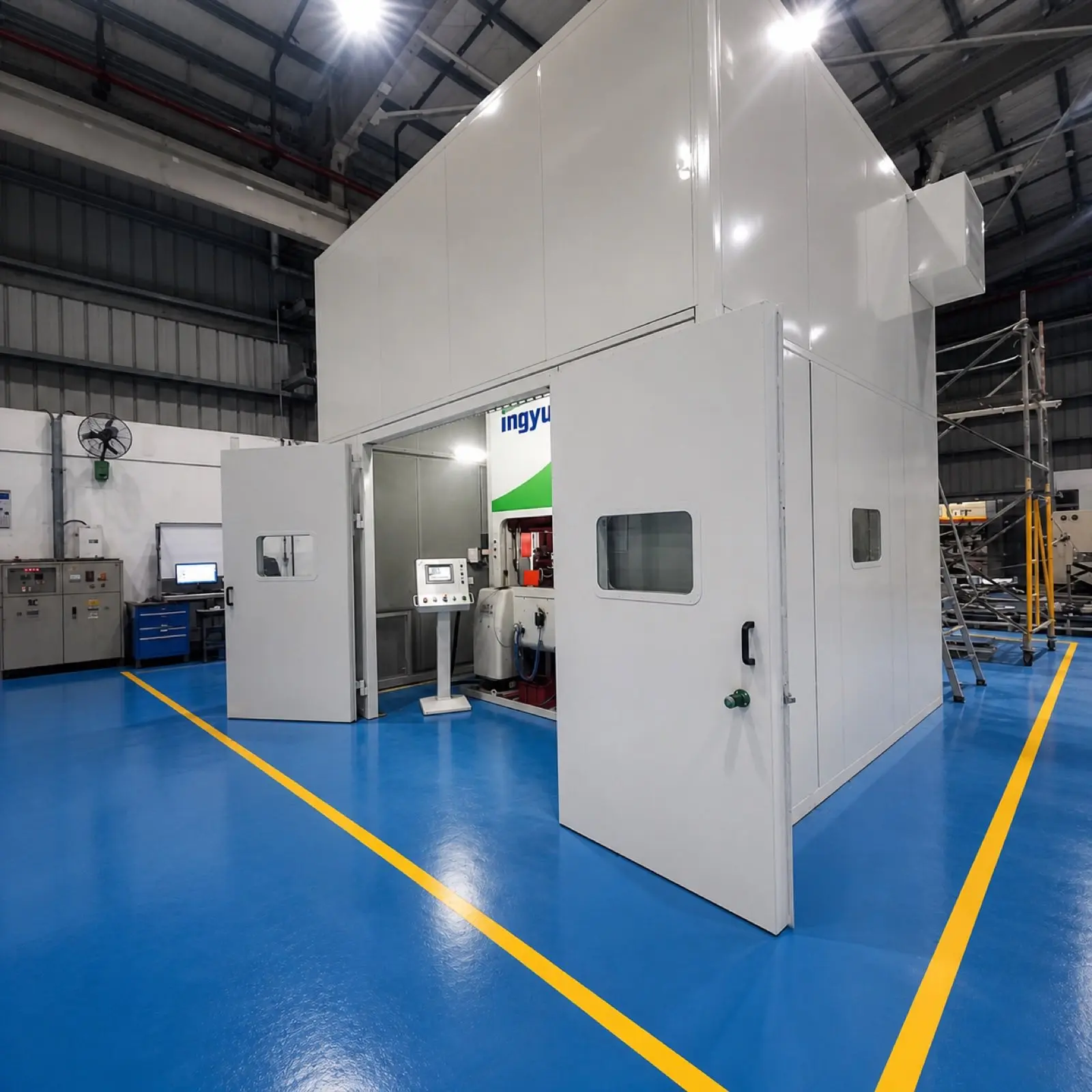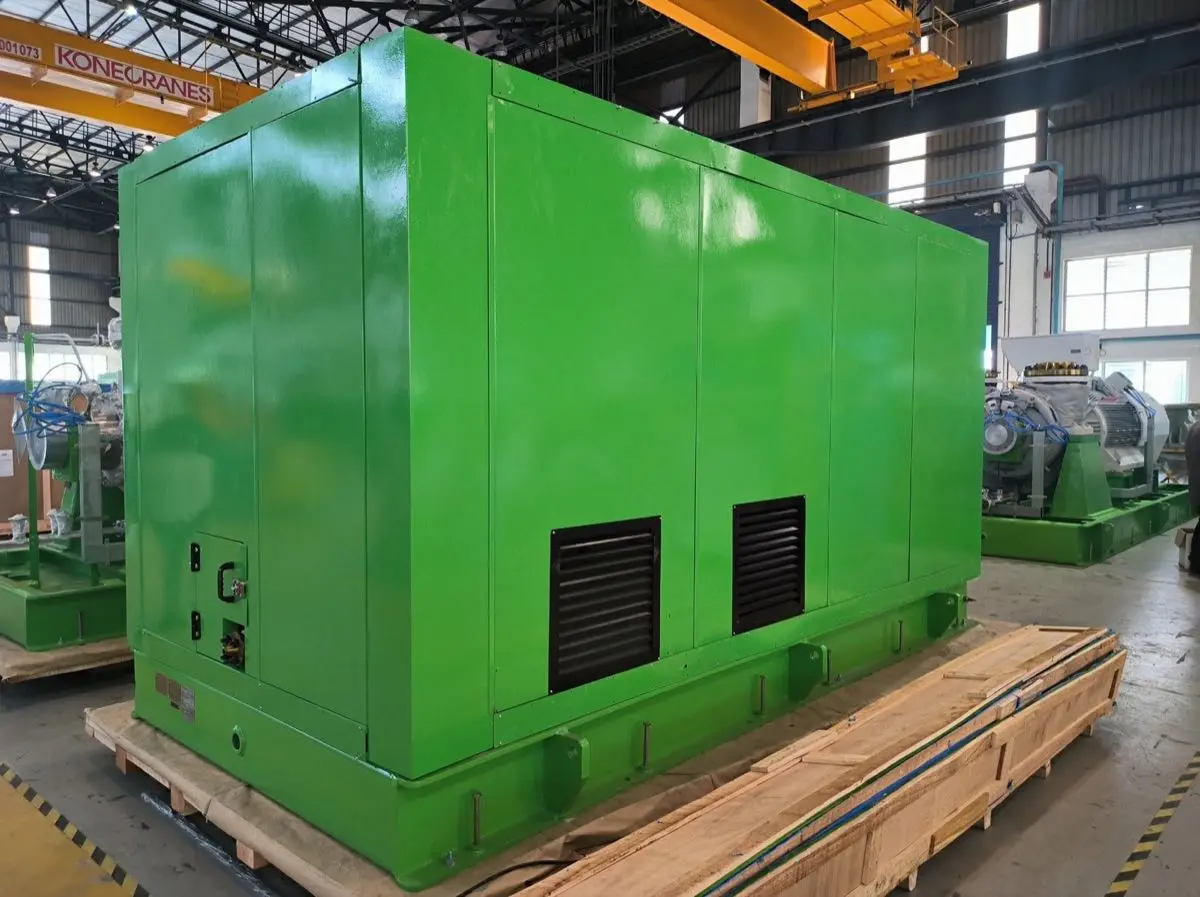
Acoustic enclosures are the most widely used noise control solution in industrial settings. They work by surrounding a noise source with a barrier that blocks, absorbs, and dissipates sound energy before it can reach workers or the community. While the concept is simple, the engineering behind an effective acoustic enclosure involves careful consideration of panel acoustics, structural design, ventilation, access, and the interaction between the enclosure and the enclosed equipment.
The Physics of Sound Attenuation
An acoustic enclosure reduces noise through three primary mechanisms:
Sound Transmission Loss (STL): The enclosure panels act as a barrier to sound transmission. When sound waves strike the outer surface of a panel, only a fraction of the energy is transmitted through to the other side — the rest is reflected back or converted to heat through internal damping. The transmission loss of a panel depends on its mass per unit area (surface density), stiffness, damping, and the frequency of the sound. For a single homogeneous panel, the mass law predicts that transmission loss increases by approximately 6 dB for each doubling of either mass or frequency.
Sound Absorption: The interior surfaces of acoustic enclosure panels are lined with porous absorptive materials such as mineral wool or glass wool. These materials absorb sound energy by converting it to heat through viscous friction as air molecules oscillate within the tiny air passages in the material. Absorption prevents sound from building up inside the enclosure through multiple reflections, which would otherwise reduce the effective noise reduction of the enclosure.
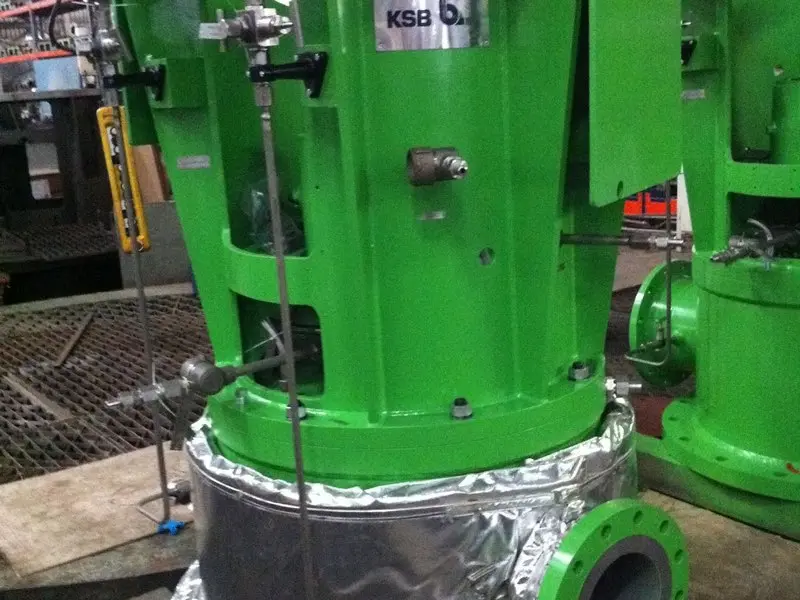
Vibration Isolation: The enclosure structure must be isolated from the equipment and the building structure to prevent sound energy from bypassing the enclosure panels via structural vibration paths. This is achieved using resilient mounts, flexible connections, and vibration breaks in the enclosure structure.
Panel Construction
The panels of an industrial acoustic enclosure are typically composite structures consisting of multiple layers, each serving a specific acoustic function:
Outer Skin: A solid, impervious sheet (typically 1.2 to 2.0 mm galvanized steel or aluminium) that provides the primary sound barrier through its mass and stiffness. The outer skin also provides weather protection and structural integrity.
Acoustic Infill: A layer of porous absorptive material (typically 50 to 150 mm of mineral wool or glass wool at a density of 48 to 96 kg/m3) that absorbs sound energy. The thickness and density of the infill are selected based on the frequency content of the noise — thicker layers are needed for lower frequencies.
Inner Skin: A perforated sheet (typically 1.0 to 1.6 mm perforated galvanized steel with 20-25% open area) that protects the acoustic infill while allowing sound to pass through and be absorbed. The perforation pattern is designed to be acoustically transparent across the frequency range of interest.
Optional Mass Barrier: For high-performance enclosures (40+ dB attenuation), an additional mass layer — such as a lead vinyl sheet or dense composite barrier — may be included between the outer skin and the infill to boost the transmission loss, particularly at lower frequencies where the mass law demands greater surface density.
Multi-Absorptive Technology
ARK Noise Control's Multi-Absorptive Technology uses multiple layers of absorptive materials with graduated density and airflow resistivity to achieve effective absorption across a wide frequency range. The outer layers (facing the noise source) use lower-density material for high-frequency absorption, while the inner layers use higher-density material for mid and low-frequency absorption. This gradient approach provides NRC values of 0.90 or higher, significantly outperforming single-density infill systems.
Multi-Reflective Technology
For noise sources with strong low-frequency content (below 250 Hz), where absorption alone is insufficient, ARK's Multi-Reflective Technology creates a tuned resonant cavity between panel layers. This engineered air gap, combined with the mass-spring-mass dynamics of the multi-layer panel construction, creates additional transmission loss at specific low-frequency bands. Multi-Reflective Technology panels can provide 5-10 dB additional attenuation below 250 Hz compared to conventional single-wall construction of the same total thickness.
Ventilation Design
Most industrial equipment requires ventilation for cooling, combustion air supply, or explosive atmosphere dilution. Openings for ventilation are the Achilles heel of acoustic enclosures because sound passes freely through unattenuated openings. The acoustic design of ventilation pathways is therefore critical.
Silenced Airways: Ventilation openings are fitted with acoustic louvers or duct silencers that allow airflow while attenuating sound. The silencer is designed to provide the same transmission loss as the enclosure panels, so the ventilation pathway does not become the weakest acoustic link.
Forced Ventilation: For enclosed equipment with high heat dissipation, natural ventilation through silenced louvers may be insufficient. In these cases, forced ventilation using fans and ducting is provided. The fans and ducts are themselves acoustically treated to prevent them from becoming new noise sources.
Airflow Calculations: The ventilation system is designed based on the equipment's heat dissipation, the maximum allowable temperature rise inside the enclosure, and the ambient temperature. For combustion equipment (generators, gas turbines), the combustion air supply requirement is also factored in.
Access and Maintenance
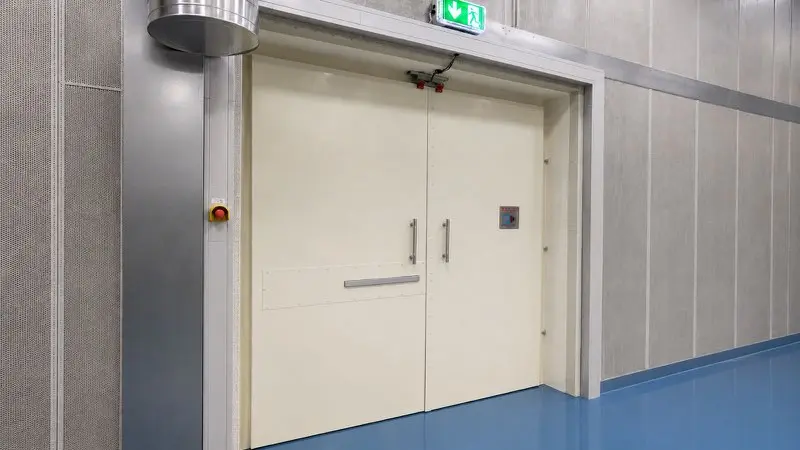
An acoustic enclosure is only effective if it remains closed during equipment operation. Poorly designed access provisions that are left open because they are inconvenient to use will negate the acoustic performance of the entire enclosure. ARK designs enclosures with generous access provisions that make it easy for maintenance personnel to work on the equipment:
- Large hinged doors with acoustic seals for routine inspection and minor maintenance
- Removable panels for major maintenance activities and equipment removal
- Acoustic windows for visual inspection without opening the enclosure
- Service penetrations with acoustic seals for piping, cabling, and ducting
Performance Verification
After installation, the acoustic performance of the enclosure is verified through noise measurements at the specified receiver locations. Results are compared against the design predictions and the contractual noise level requirements. ARK provides a performance guarantee for all enclosures, backed by post-installation verification measurements.
Conclusion
A well-designed acoustic enclosure is a precision engineering product that combines the disciplines of acoustics, structural engineering, thermodynamics, and mechanical design. At ARK Noise Control, our 40+ years of experience have taught us that the difference between a mediocre enclosure and an excellent one lies in the details — panel construction, seal design, ventilation engineering, and access provisions. Every enclosure we design is optimized for both acoustic performance and operational practicality, because the best noise control solution is one that works as intended, day after day.