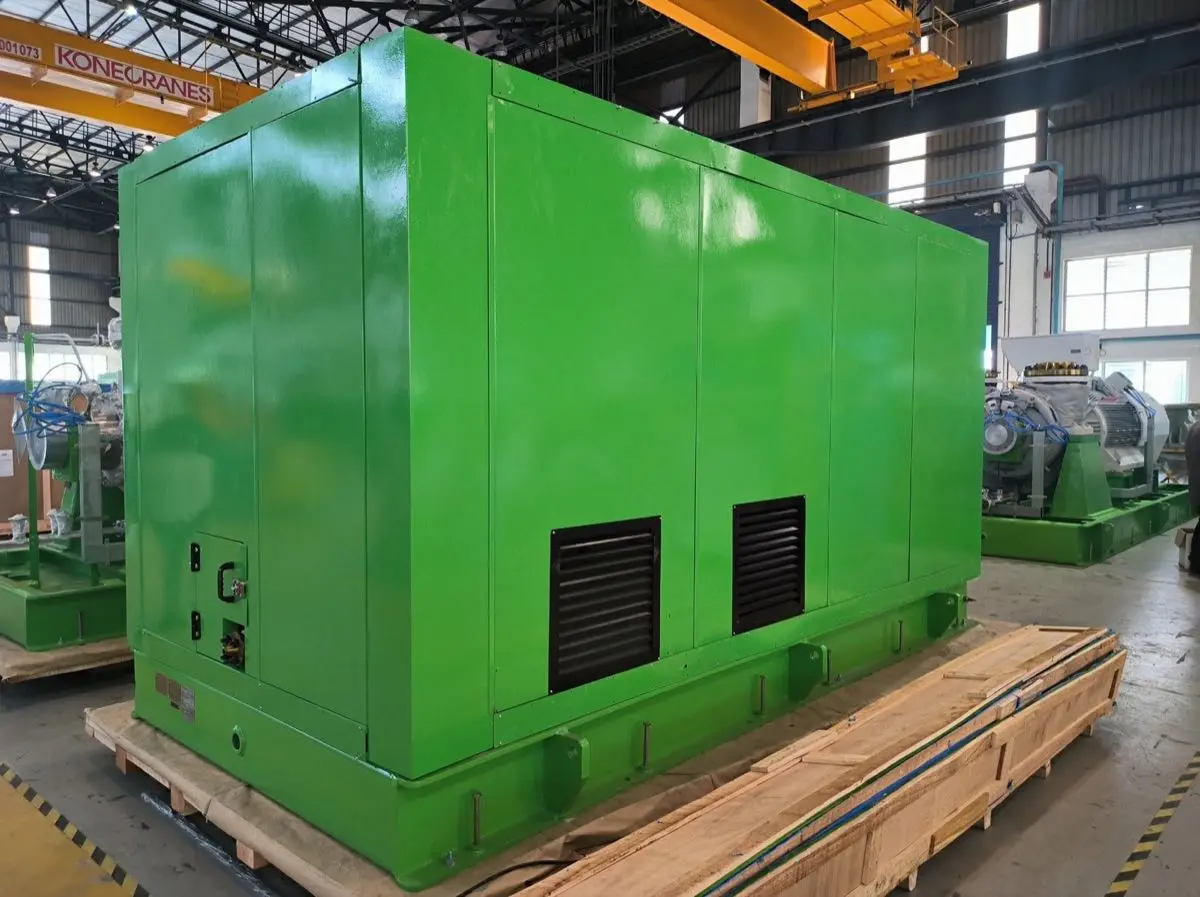
Power plants are among the largest and most complex industrial noise sources, with multiple high-power equipment operating continuously and producing noise levels that can impact workers within the plant and communities several kilometers away. Effective power plant noise control requires a comprehensive approach that addresses each noise source individually while managing the cumulative impact of all sources together. This guide covers the noise sources, regulatory requirements, and proven engineering solutions for thermal and combined-cycle power plants.
Noise Sources in Power Plants
Gas Turbines
Gas turbines are typically the dominant noise source in combined-cycle power plants. A large frame gas turbine (200+ MW class) generates noise through several mechanisms:
Intake noise: The compressor section draws in large volumes of air through the intake system, generating broadband noise with blade-pass frequency tones. Unsilenced gas turbine intake noise can exceed 120 dB(A) at 1 meter and is highly directional — concentrated along the intake axis.
Exhaust noise: Combustion exhaust exits the turbine at high temperature (500-600°C) and significant velocity, generating broadband noise. Exhaust noise is typically 110-125 dB(A) at the exhaust duct and contains low-frequency content (below 250 Hz) that is difficult to attenuate.
Casing noise: The turbine and compressor casings radiate noise from internal mechanical and aerodynamic processes. Casing noise is typically 95-105 dB(A) at 1 meter and is broadband in character.
Generator noise: The generator coupled to the gas turbine produces electromagnetic noise (at 100 Hz and harmonics for 50 Hz systems) and cooling fan noise. Generator noise is typically 95-105 dB(A) at 1 meter.
Gas turbine noise in total — intake plus exhaust plus casing plus generator — can produce 105-115 dB(A) at the turbine building and is the single equipment type that most demands gas turbine noise treatment.
Steam Turbines
Steam turbines are generally quieter than gas turbines but still significant:
Casing noise: 90-100 dB(A) at 1 meter, primarily from the HP and IP sections Gearbox noise (where present): 95-105 dB(A) with strong tonal content at gear meshing frequency Generator noise: Similar to gas turbine generators, 95-105 dB(A) Steam valve noise: Governor valves, bypass valves, and extraction valves generate aerodynamic noise during operation, particularly during load changes and start-up
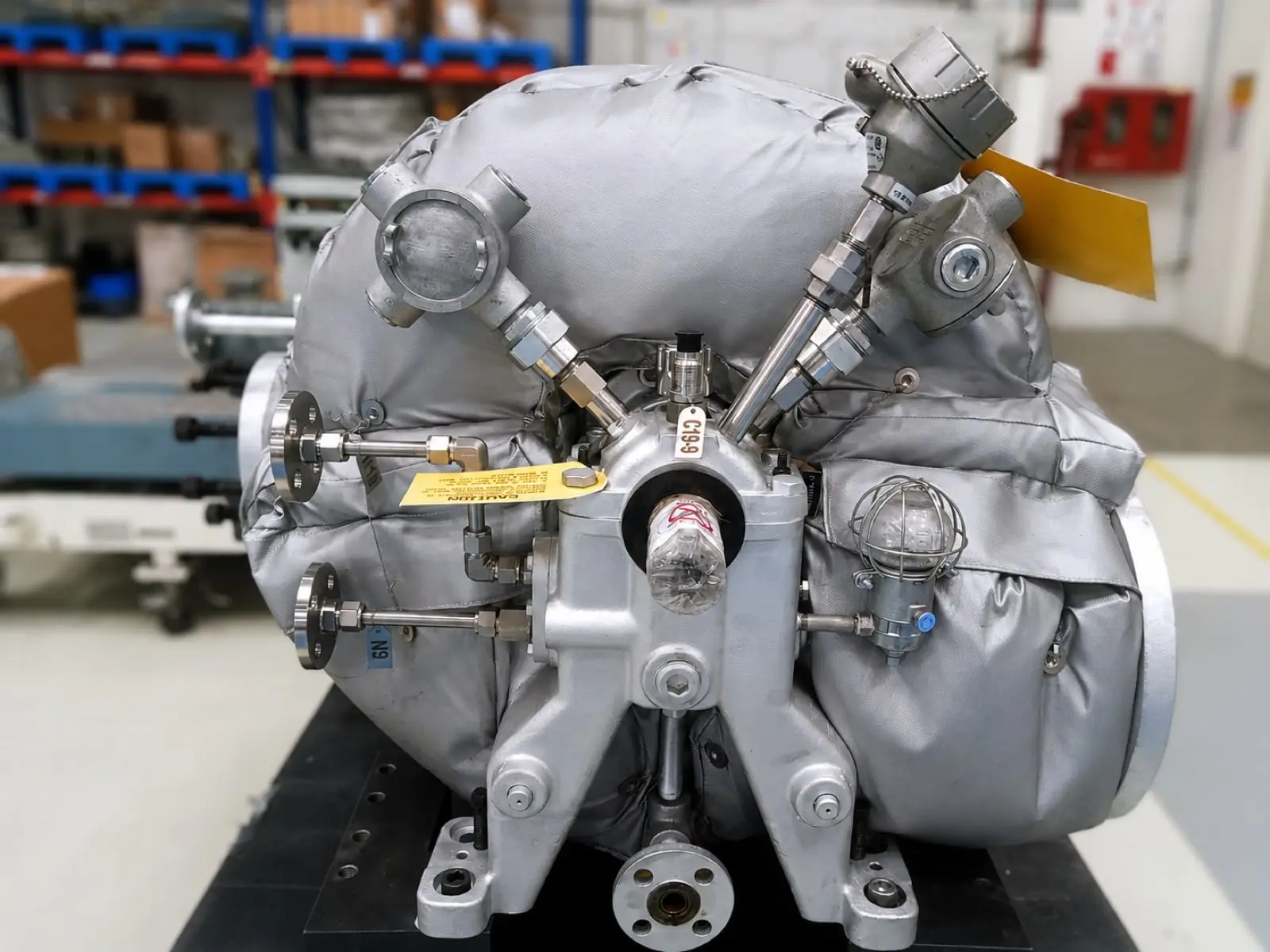
Steam turbine noise control typically focuses on the turbine hall building envelope (walls, roof, doors, ventilation) rather than treating the turbine directly, although removable blankets on the turbine casing and piping can provide additional benefit.
Boilers
Boiler noise in power plants includes:
Burner noise: 85-100 dB(A) depending on burner type and firing rate. Gas-fired burners are typically louder than oil-fired burners. Low-NOx burners tend to be noisier than conventional burners due to higher air velocities and swirl.
Forced draft fan noise: FD fans supply combustion air and are significant noise sources (95-110 dB(A) at the fan casing). Fan noise is a combination of broadband aerodynamic noise and tonal noise at the blade-pass frequency.
Induced draft fan noise: ID fans handle the combustion exhaust gas and are similarly noisy (95-110 dB(A)). In addition, the ID fan duct system can radiate boiler noise over large distances.
Safety valve noise: Boiler drum safety valves and superheater safety valves produce extremely intense noise during discharge (125-140 dB(A)). While intermittent, these events are the most common cause of community complaints from power plants.
Soot blower noise: Soot blowers use steam jets to clean boiler tube surfaces. The steam discharge noise can reach 100-120 dB(A) and occurs periodically throughout operation.
Auxiliary Equipment
Power plants contain numerous auxiliary noise sources that individually may not be dominant but collectively contribute significantly to the overall noise environment:
- Cooling towers: Natural draft towers produce low-frequency noise from water splash; mechanical draft towers add fan noise (85-95 dB(A) per cell)
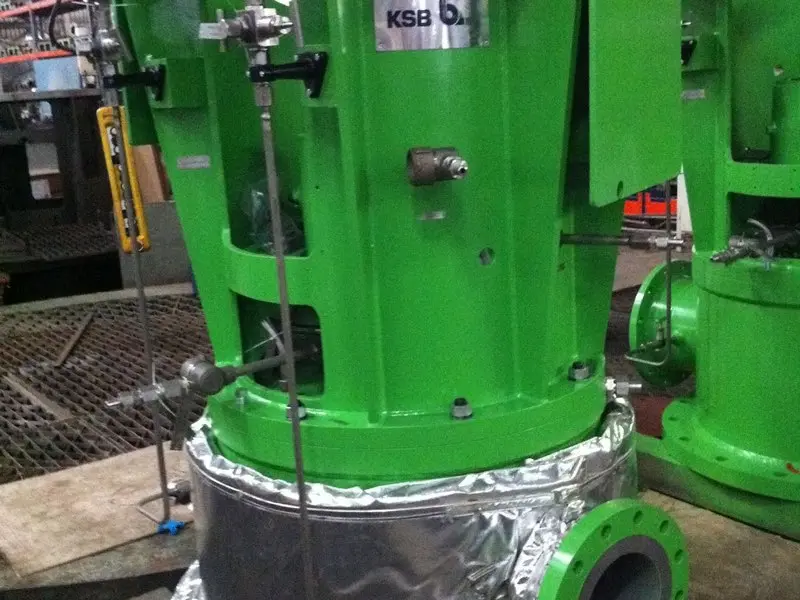
- Pumps: Boiler feed pumps, condensate pumps, circulating water pumps (85-100 dB(A))
- Transformers: 90-100 dB(A) at 1 meter, predominantly at 100 Hz and harmonics. Transformer noise is difficult to control because of its strong tonal character and low frequency
- Air compressors: Instrument air and service air compressors (90-105 dB(A))
- Diesel generators: Emergency power generators (105-115 dB(A))
- Coal handling (coal-fired plants): Crushers, conveyors, and transfer points (90-110 dB(A))
Environmental Compliance
Power plants must comply with environmental noise limits at the plant boundary and at the nearest noise-sensitive receivers. In India, CPCB noise standards apply:
- Industrial area boundary: 75 dB(A) day / 70 dB(A) night
- Nearest residential area: 55 dB(A) day / 45 dB(A) night
For a 500+ MW power plant with multiple noise sources each producing 95-120 dB(A), achieving 55 dB(A) at a residential receiver (which may be 500-2000 meters away) requires significant noise control investment. The nighttime residential limit of 45 dB(A) is even more challenging and often drives the noise control scope.
International projects may face more stringent requirements. World Bank/IFC guidelines specify 70 dB(A) day / 55 dB(A) night at the facility boundary, and European ambient noise standards for residential areas are typically 40-45 dB(A) at night.
Solutions by Equipment Type
Gas Turbine Noise Control
Intake silencers: Large absorptive silencers in the air intake duct, typically 2-4 meters long with multiple splitter panels. High-temperature-rated absorptive material protected by perforated stainless steel. Insertion loss: 20-35 dB across the critical frequency range. Pressure drop is critical — typically limited to 500-1000 Pa to avoid turbine derating.
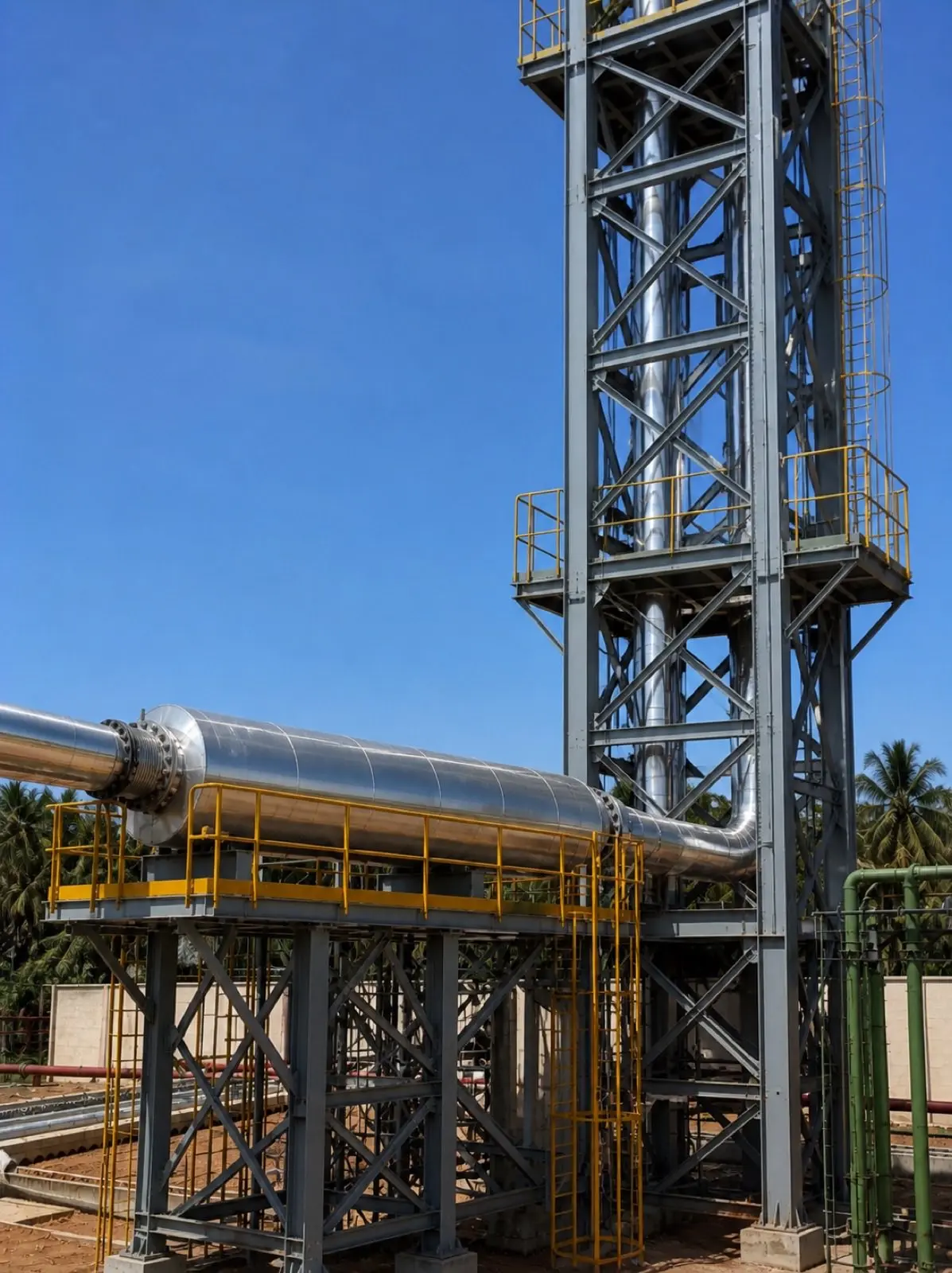
Exhaust silencers: Installed in the exhaust duct between the turbine exhaust and the heat recovery steam generator (HRSG) inlet. Must withstand 500-600°C continuous temperature and resist thermal cycling. High-temperature mineral wool or metallic absorptive media (wire mesh packs). Insertion loss: 15-25 dB. In simple-cycle plants without HRSG, the exhaust silencer is installed in the exhaust stack.
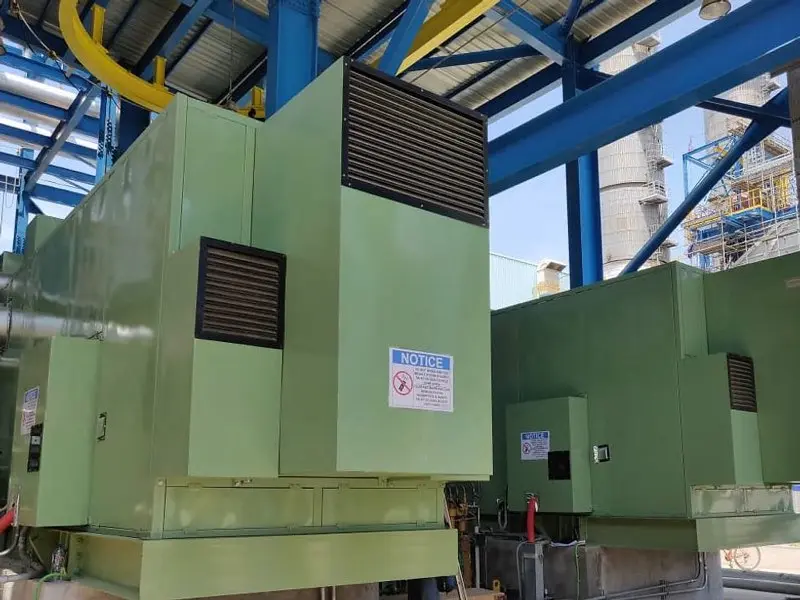
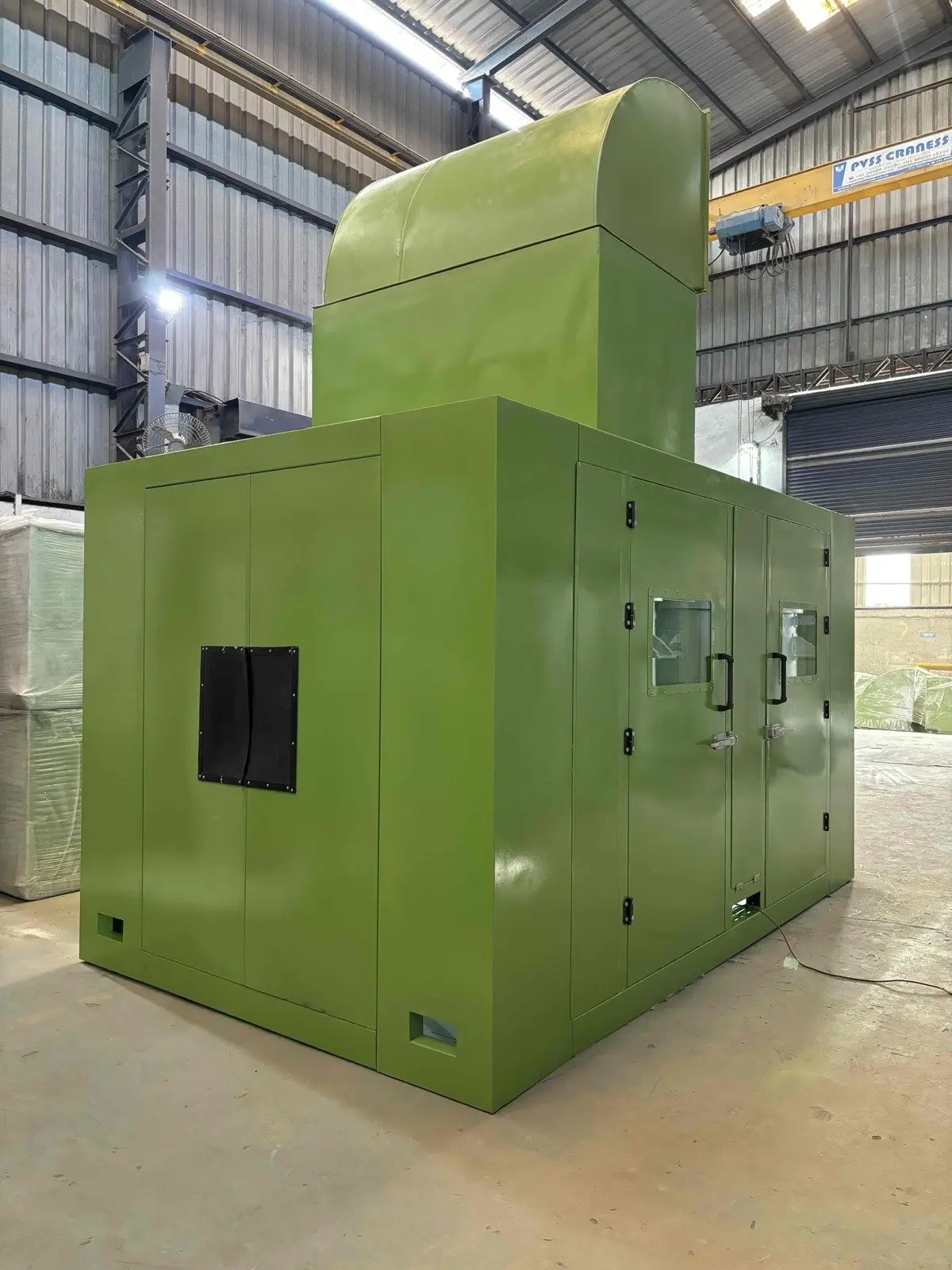
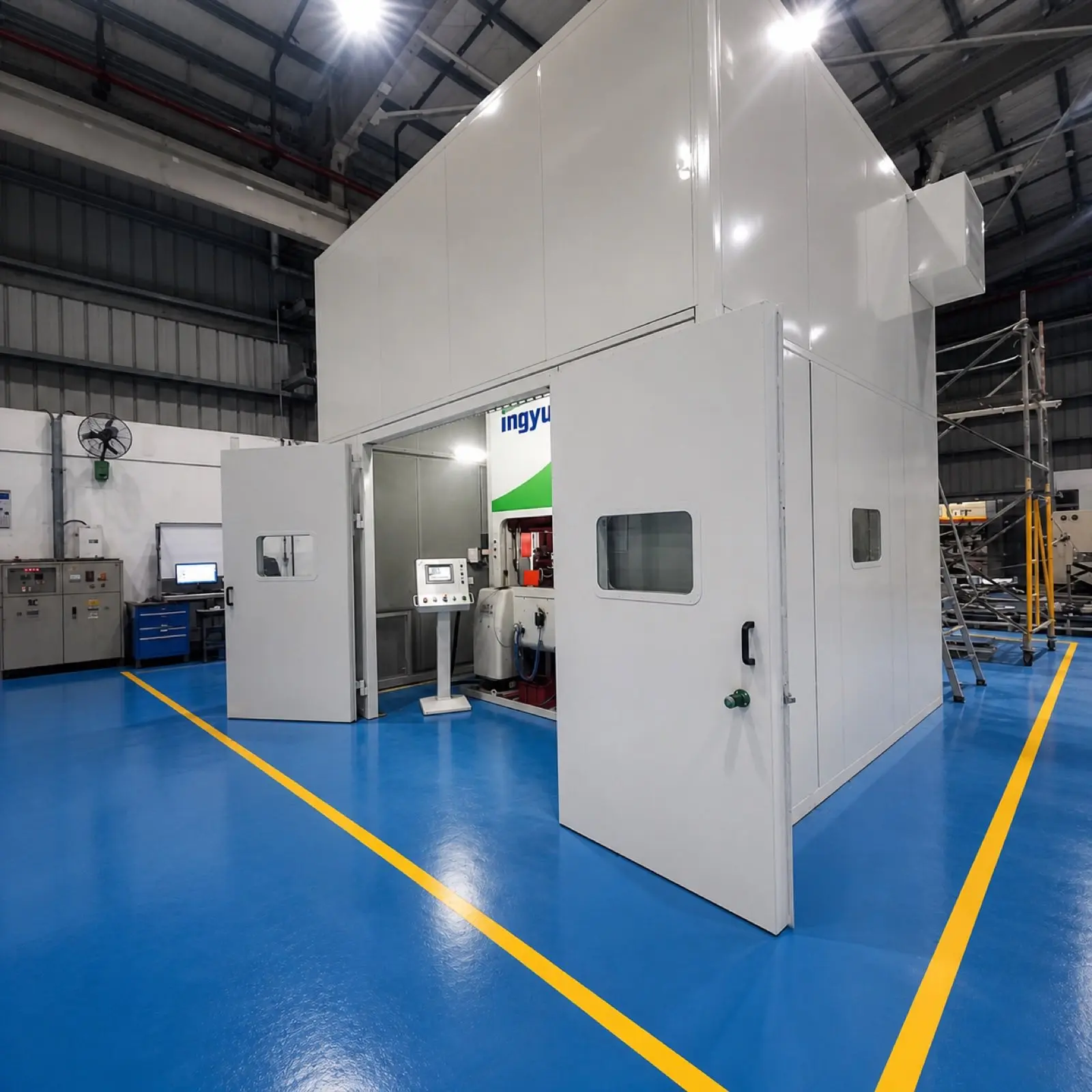
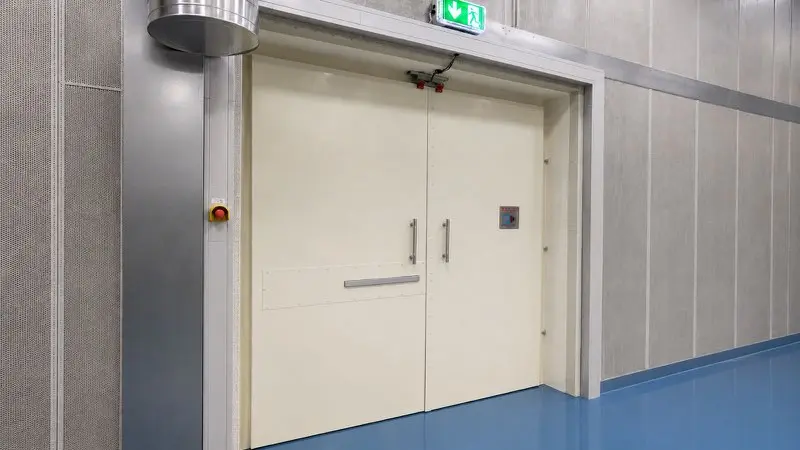
Turbine enclosure: The turbine building or weatherproof enclosure provides 15-25 dB(A) reduction of casing and generator noise. The building walls are constructed with acoustically rated panels (typically 25-35 dB STC), and all penetrations (ventilation, piping, cable trays) are acoustically sealed. Ventilation openings are fitted with silenced airways.
Boiler Noise Control
FD and ID fan silencers: Absorptive duct silencers on the fan inlet and/or outlet. For ID fans handling flue gas, the silencer materials must resist the corrosive flue gas environment and elevated temperatures.
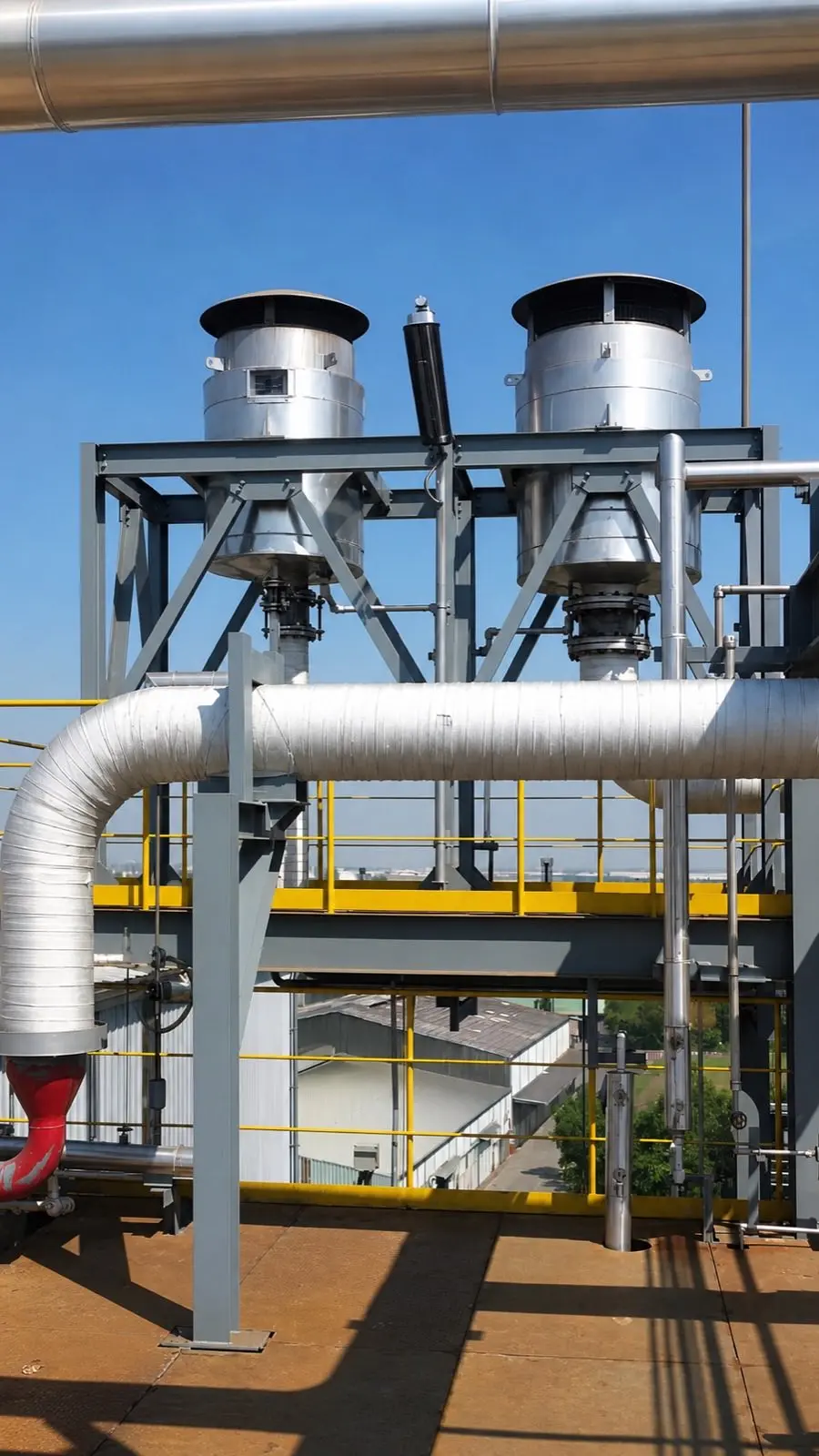
Safety valve silencers: Combination diffuser-absorption silencers on all boiler safety valves. Critical design requirement: zero impact on safety valve certified capacity (back-pressure must not exceed the valve manufacturer's allowable limit). Performance: 25-40 dB(A) noise reduction.
Stack silencers: Absorptive silencers installed inside the boiler stack to attenuate the cumulative noise from the combustion process, ID fan, and internal stack resonance. Stack silencers must handle flue gas temperatures and corrosion.
Generator Noise Reduction
Generator noise reduction is achieved through:
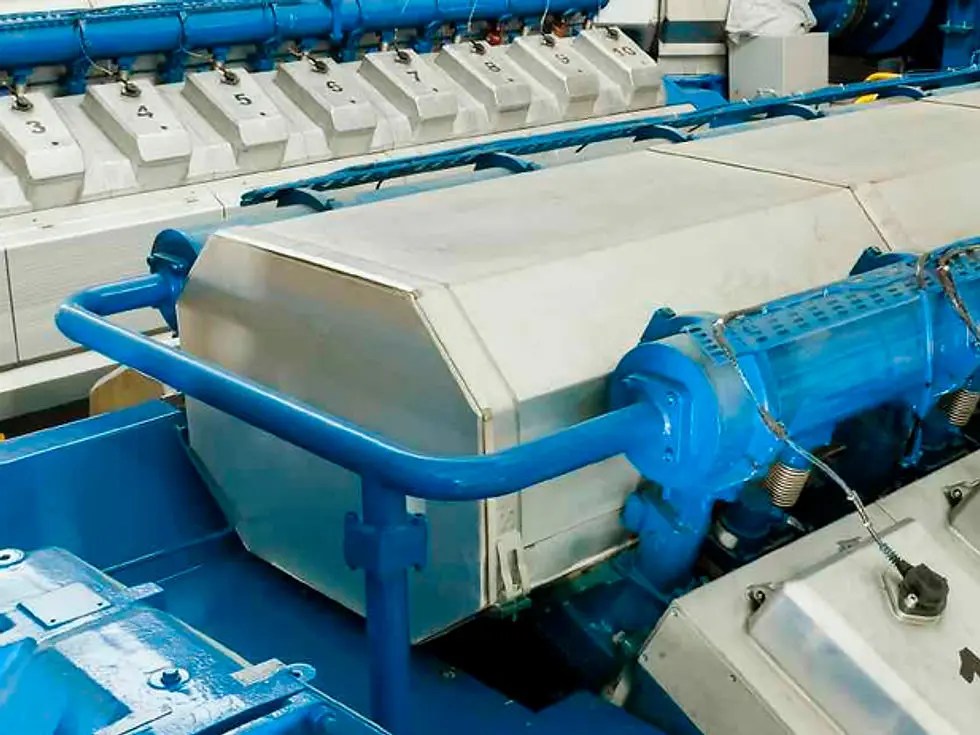
- Generator enclosure or building envelope treatment: Acoustic panels on walls and roof around the generator, with silenced ventilation
- Vibration isolation: Generator mounted on vibration isolators to prevent structural noise transmission to the building
- Removable acoustic blankets: On the generator housing and exciter for additional casing noise reduction
Transformer Noise Control
Power transformers produce intense low-frequency tonal noise (100 Hz fundamental) that is disproportionately disturbing to nearby communities:
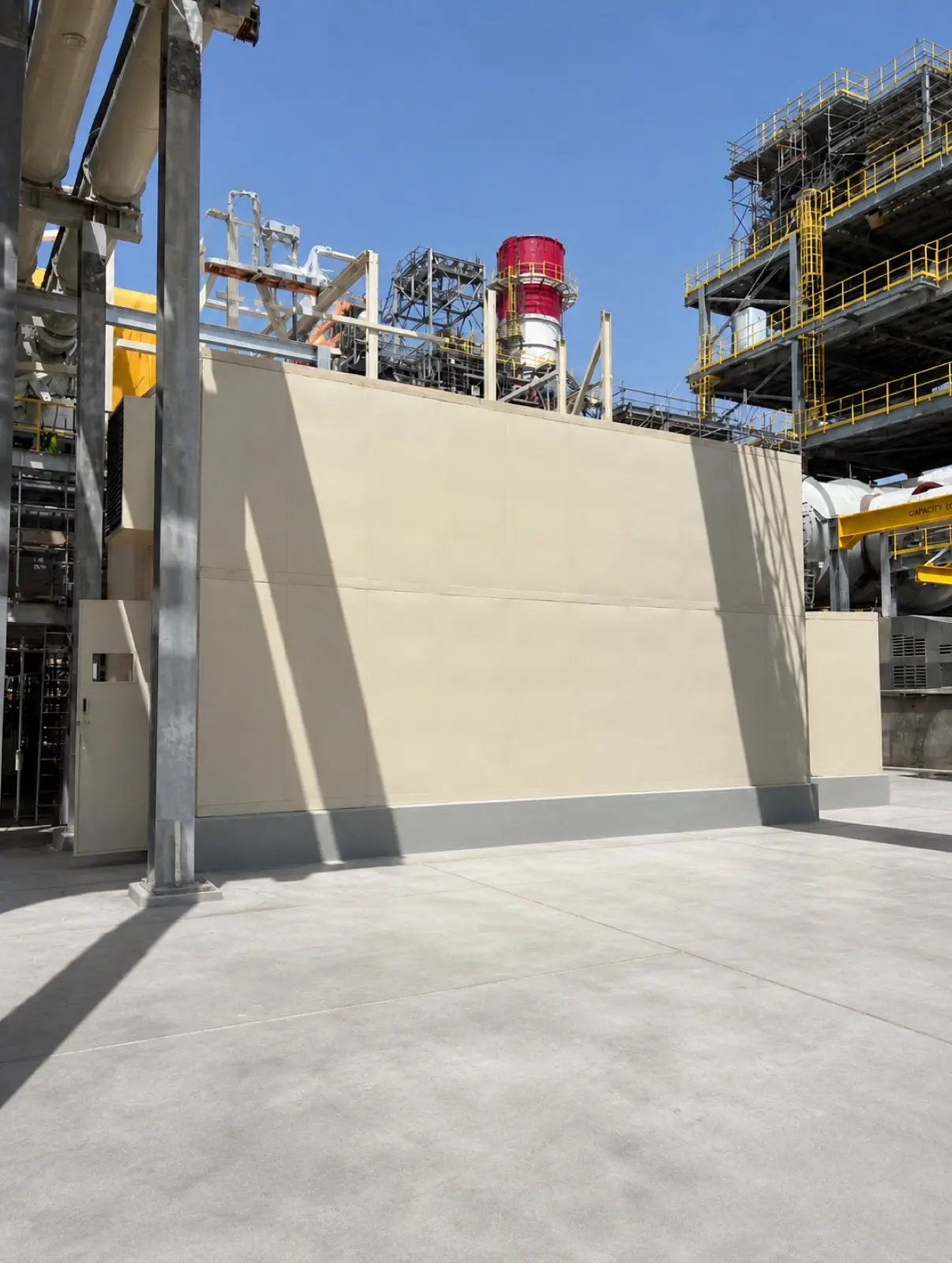
- Noise barriers: Three-sided or four-sided barriers around the transformer, 2-3 meters taller than the transformer, with absorptive lining on the inner faces (5-10 dB(A) reduction)
- Active noise control: Loudspeakers producing anti-phase sound to cancel transformer hum — effective for the 100 Hz fundamental but limited for higher harmonics
- Low-noise transformers: Specifying reduced noise levels at procurement (3-10 dB below standard designs)
Cooling Tower Noise
- Low-noise fan designs: Wide-chord, low-speed fans with optimized blade profiles (3-8 dB(A) quieter than standard fans)
- Fan stack silencers: Absorptive silencers at the top of mechanical draft cooling towers
- Intake barriers/louvers: Sound-absorbing louvers at the cooling tower air intake to reduce breakout noise
- Splash noise barriers: Barriers around the cooling tower basin to block water splash noise
Integrated Noise Control Strategy
Effective power plant noise control requires an integrated strategy that considers all sources together, not individually:
1. Facility noise model: A computational acoustic model of the entire plant, incorporating all sources, the terrain, buildings, and atmospheric effects. This model predicts noise levels at all critical receiver locations and identifies the dominant sources at each location.
2. Source ranking: At each receiver location, the model identifies which sources contribute most to the total noise level. Noise control investment is then directed at the dominant sources first, following the principle that treating a source that contributes less than 3 dB to the total level provides negligible benefit.
3. Phased implementation: For existing plants, noise control is often implemented in phases, with each phase targeting the next most dominant source. After each phase, measurements verify the achieved reduction and the model is updated to plan the next phase.
4. Design integration: For new plants, noise control is most effective and least costly when integrated into the plant design from the FEED stage. Equipment noise specifications, optimized facility layout, building envelope design, and pre-engineered noise control treatments can achieve compliance at a fraction of the cost of retrofit solutions.
Conclusion
Power plant noise control is a multi-disciplinary engineering challenge that demands expertise in acoustics, mechanical design, structural engineering, and thermal management. The diversity of noise sources — from gas turbine intakes to transformer hum to cooling tower splash — requires a correspondingly diverse toolkit of solutions. Success depends on a systematic, model-based approach that identifies the dominant sources at each receiver location and targets noise control investment where it will have the greatest impact.
ARK Noise Control has delivered noise control solutions for thermal power plants, combined-cycle gas plants, captive power plants, and co-generation facilities across India. Our capabilities span the full range of power plant noise sources — from gas turbine intake and exhaust silencers to boiler safety valve silencers, generator enclosures, transformer barriers, and cooling tower treatments. Contact our engineering team to discuss your power plant noise control requirements.