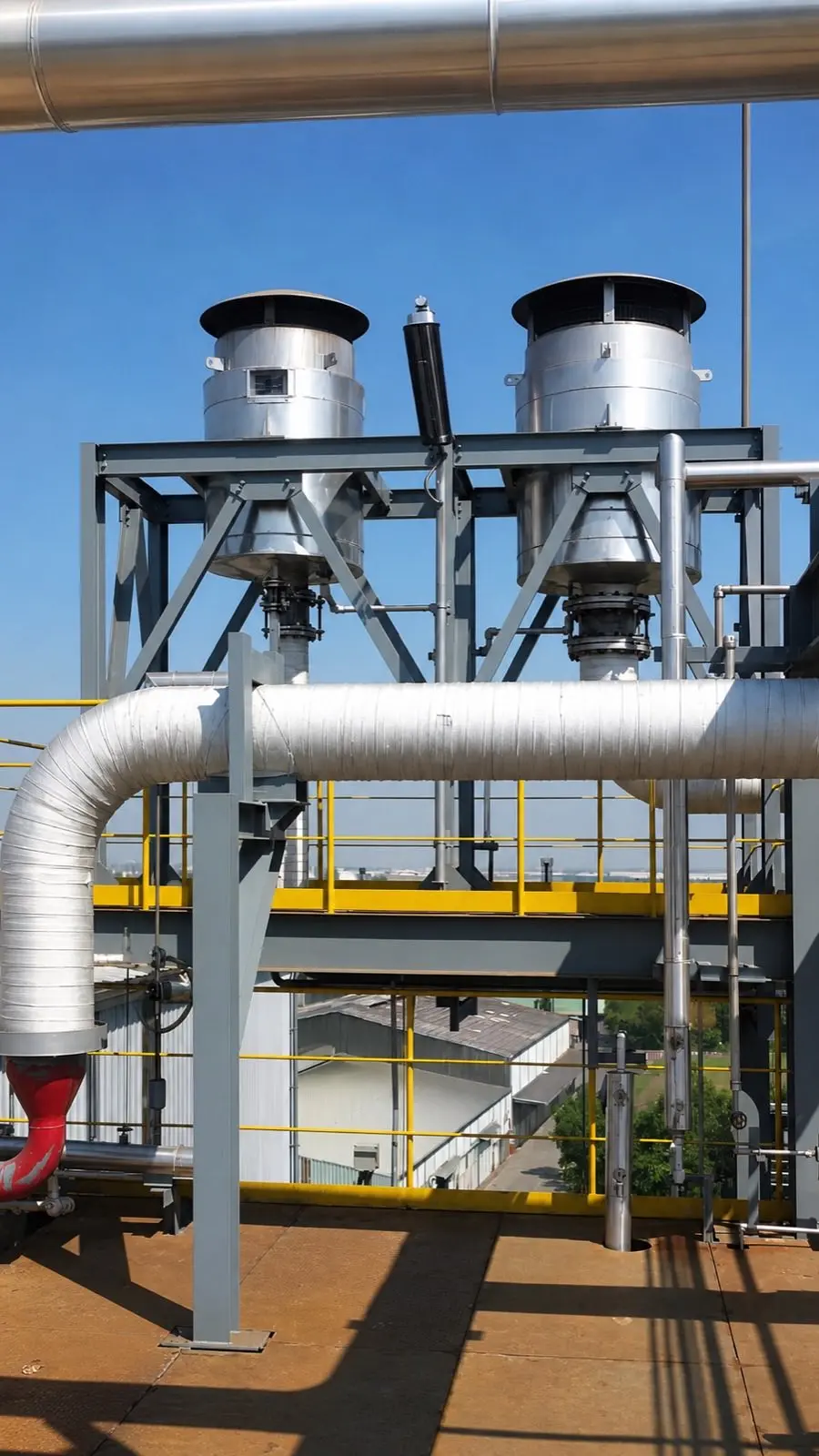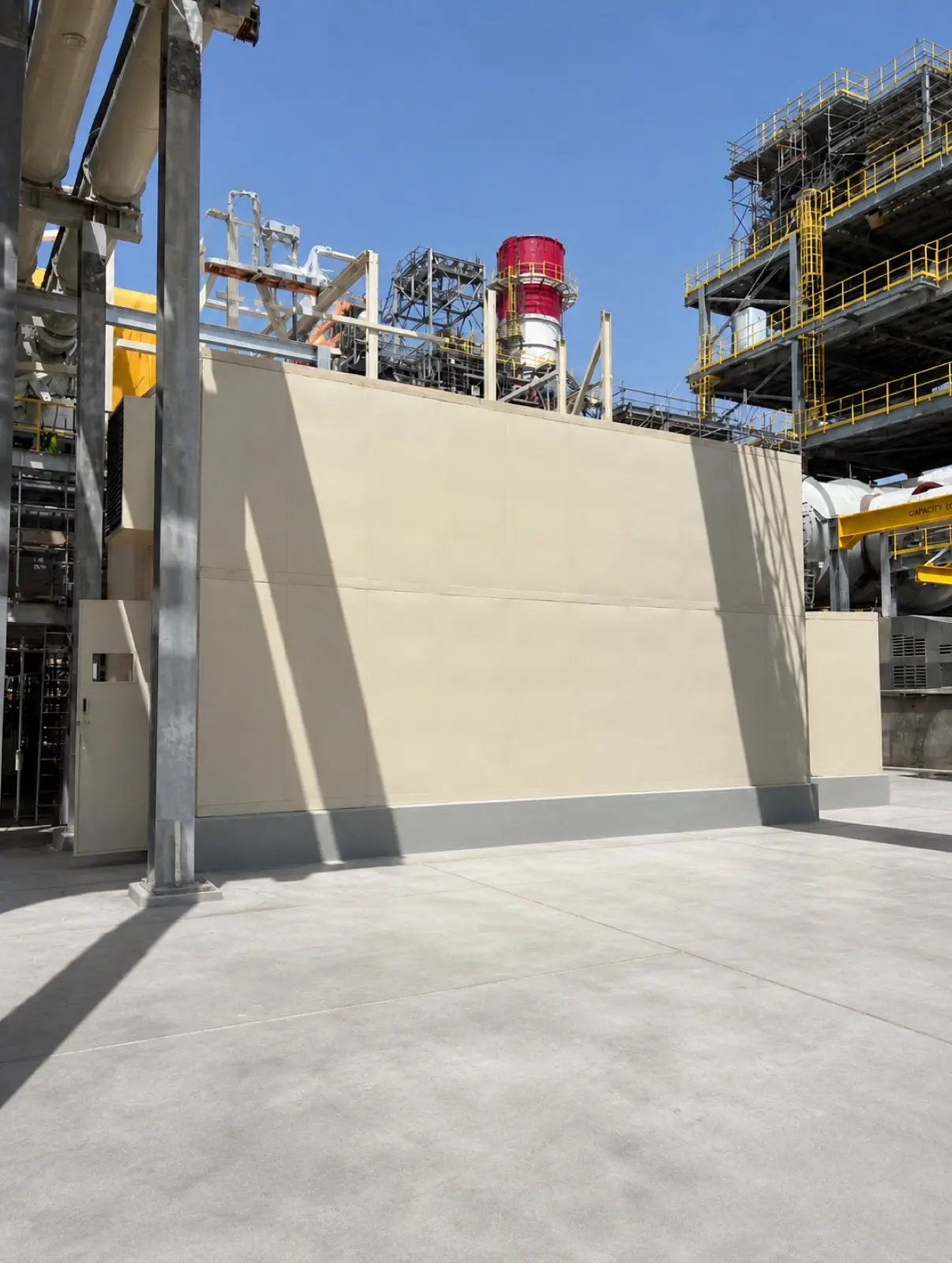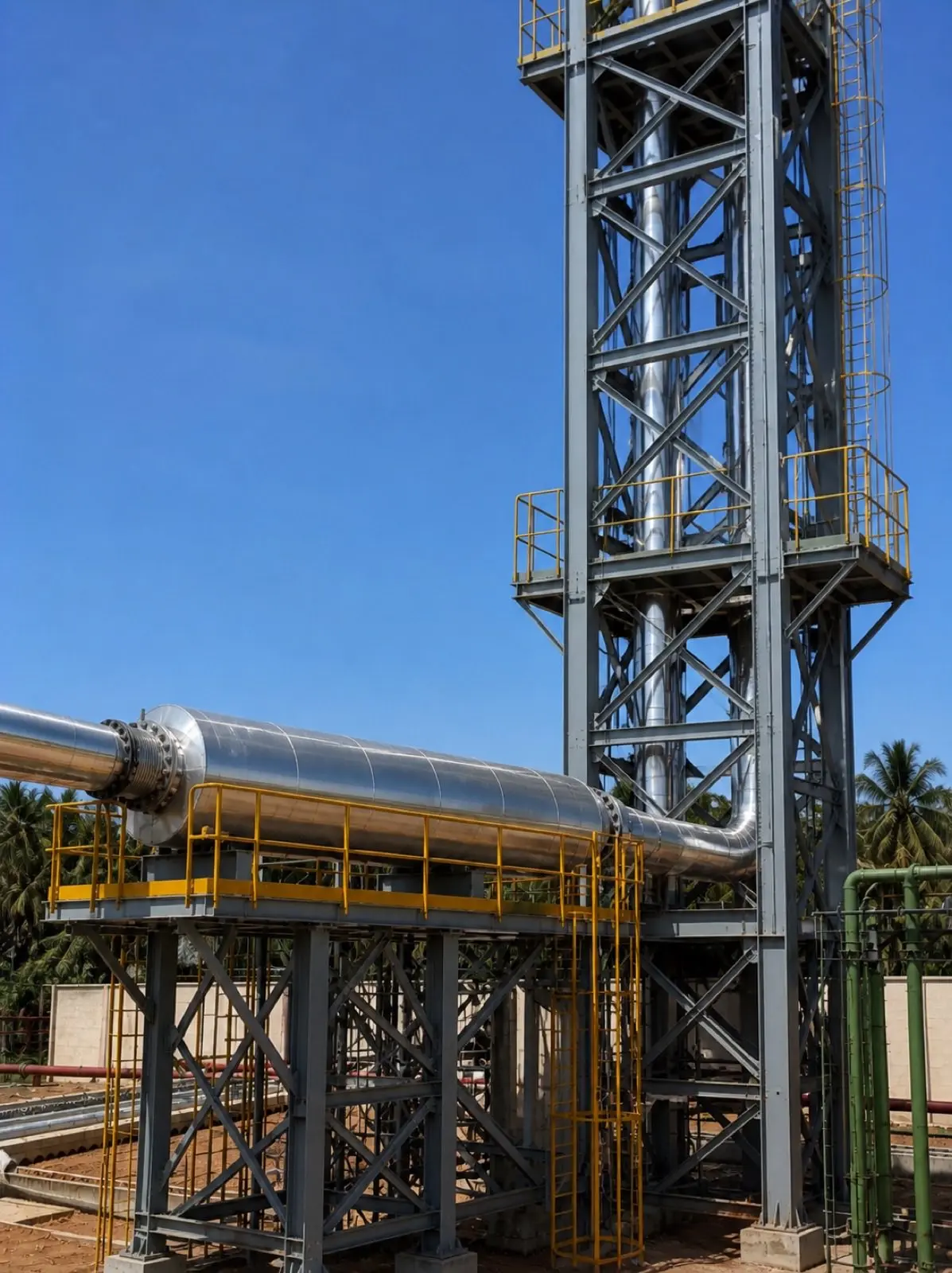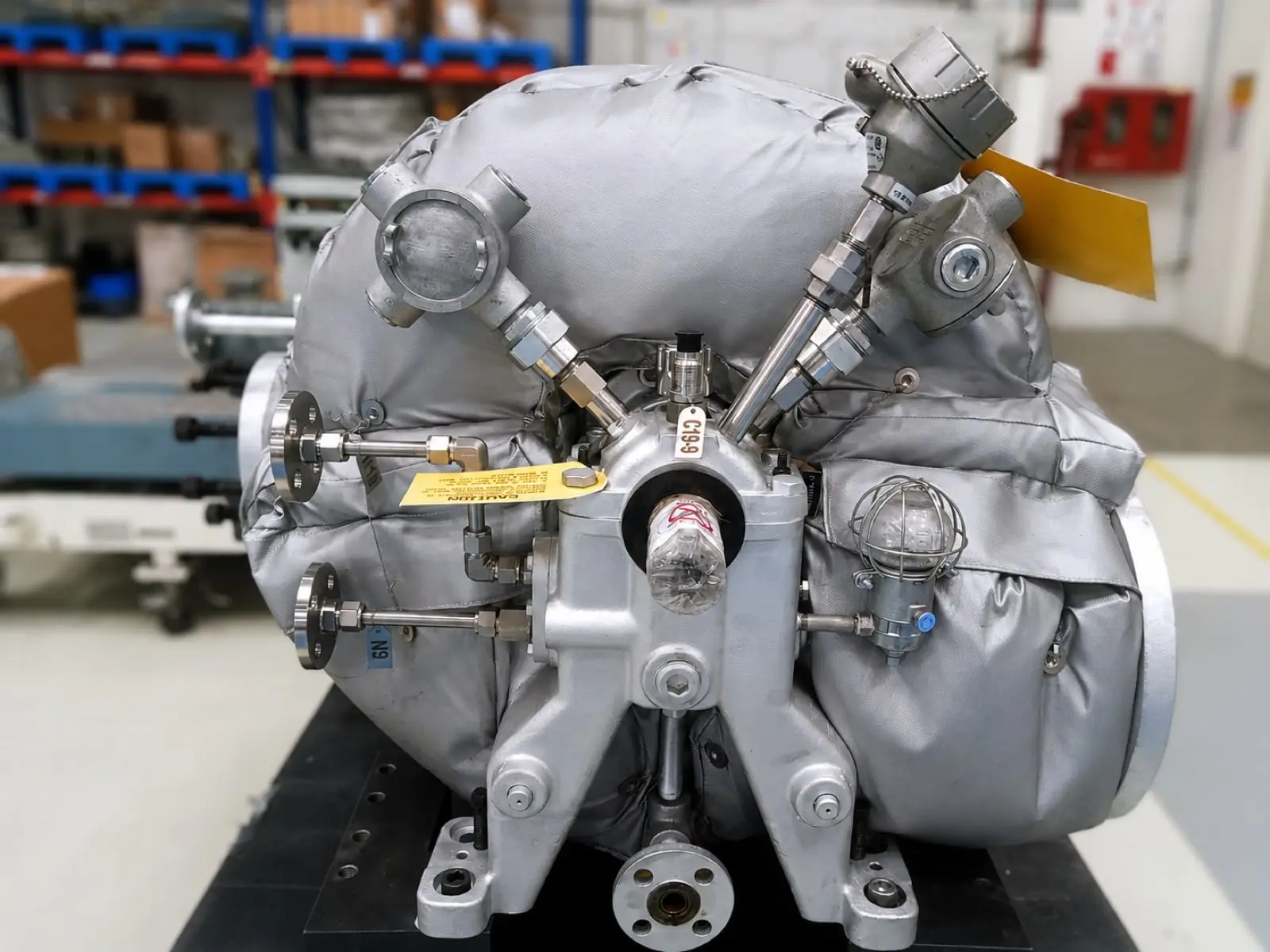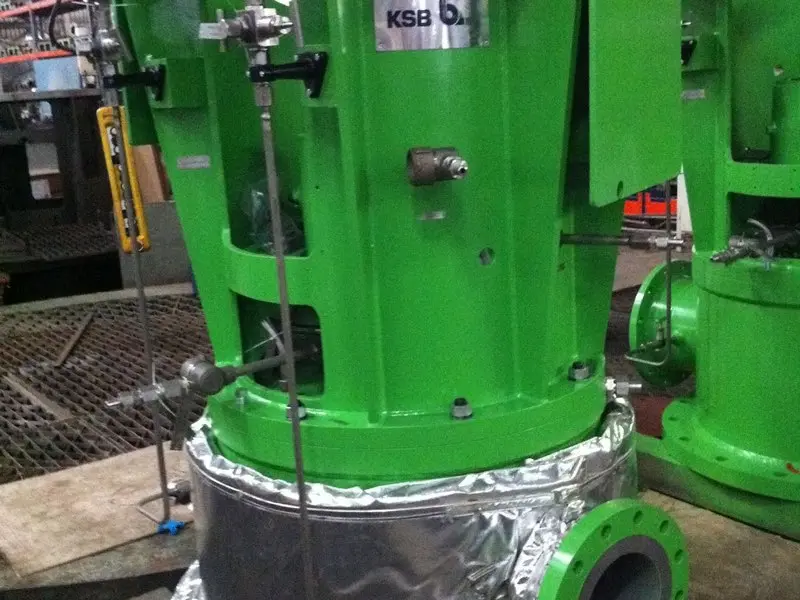
When it comes to reducing noise from industrial pipes, valves, and equipment, two primary approaches are available: traditional permanent acoustic lagging and removable acoustic + thermal insulation jackets (such as ARK's NoiseLAG / HeatLAG system). Both approaches use similar acoustic principles — mass, absorption, and damping — to reduce noise radiation from vibrating surfaces. However, they differ significantly in practical aspects such as installation, maintenance access, reusability, and total cost of ownership. This article provides a detailed, objective comparison to help engineers choose the right approach for their application.
What is Traditional Acoustic Lagging?
Traditional acoustic lagging consists of a layer of absorptive material (typically mineral wool) wrapped around the pipe or equipment surface, covered with a mass-loaded barrier (such as lead vinyl or barium-loaded vinyl), and finished with a protective metal cladding (aluminium or galvanized steel). The entire assembly is permanently fixed to the equipment using banding, screws, and pop rivets.
Traditional lagging has been used in industry for decades and is well-understood. It provides good acoustic performance (8-15 dB(A) depending on construction) and is suitable for applications where the lagged surfaces do not require frequent access for maintenance.
What are NoiseLAG / HeatLAG Removable Acoustic + Thermal Insulation Jackets?
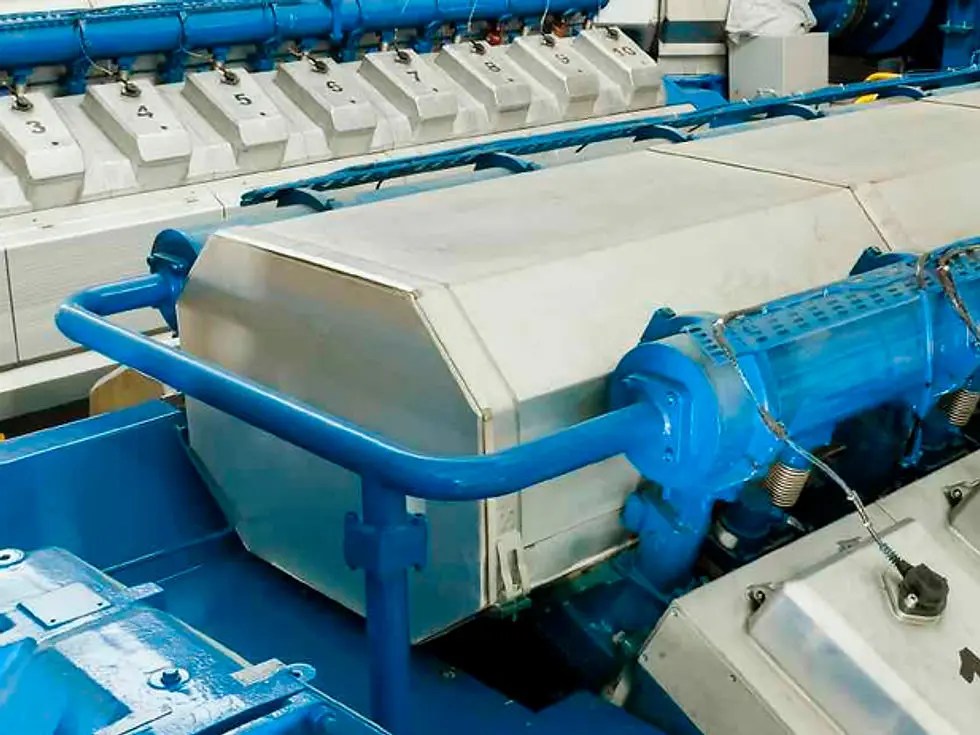
NoiseLAG / HeatLAG jackets are ARK Noise Control's proprietary removable acoustic + thermal insulation jacket system. Each jacket consists of an acoustic-grade absorptive infill encased in a durable, weather-resistant outer cover, with a mass barrier layer for enhanced transmission loss. The jackets are custom-fitted to the exact geometry of the equipment and are attached using quick-release fasteners (Velcro, D-rings, or toggle latches) that allow removal and reinstallation in minutes without any tools.
Performance Comparison
Both traditional lagging and NoiseLAG / HeatLAG jackets deliver similar acoustic performance of up to 10 dB(A) for standard constructions. The acoustic performance depends primarily on the mass of the barrier layer, the thickness and density of the absorptive infill, and the completeness of coverage (gaps and seams reduce performance).
In practice, NoiseLAG / HeatLAG jackets often deliver equal or better field performance than traditional lagging because:
1. Better fit: Each jacket is custom-made to the exact equipment geometry, ensuring complete coverage without gaps. 2. Maintained integrity: Because jackets are removed and reinstalled intact, their acoustic performance does not degrade after maintenance events, unlike traditional lagging which is often damaged during removal and poorly reinstalled. 3. Seal quality: The overlap and fastening system of NoiseLAG / HeatLAG jackets provides consistent seam performance, while traditional lagging seams often develop gaps over time due to thermal cycling and vibration.
Maintenance Access
This is where the most significant difference lies. Industrial pipes and equipment — particularly valves, flanges, steam traps, and instrumentation — require regular maintenance, inspection, and repair.
Traditional Lagging: Must be destroyed to access the equipment underneath. The lagging is cut away, the maintenance is performed, and new lagging must be fabricated and installed. This process is time-consuming (often requiring specialized insulation contractors), generates waste material for disposal, and results in the equipment running without noise control until the new lagging is installed — which can be days or weeks.
NoiseLAG / HeatLAG Jackets: Removed in minutes by maintenance personnel without special tools. The jacket is set aside, maintenance is performed, and the jacket is reinstalled immediately afterward. No material waste, no delay in restoring noise control, and no need for specialized contractors.
For equipment that requires maintenance access more than once per year, the operational advantages of removable blankets are compelling.
Installation
Traditional Lagging: Installation requires skilled insulation contractors and multiple trades (insulation, sheet metal cladding). Installation time is measured in hours per linear meter of pipe or per valve. The work is done on-site, and quality depends on the contractor's skill.
NoiseLAG / HeatLAG Jackets: Manufactured off-site in a controlled factory environment based on site measurements or 3D scans. Site installation involves simply wrapping the jackets around the equipment and fastening them — a process that takes minutes per jacket and can be done by maintenance personnel without specialized skills.
Cost Comparison
The initial cost of NoiseLAG / HeatLAG jackets is typically 20-40% higher than traditional lagging for the same scope. However, a total cost of ownership analysis over the equipment lifecycle tells a different story:
Year 1: Traditional lagging has a lower initial cost.
Years 2-5: Every maintenance event on traditionally lagged equipment incurs the cost of lagging removal, disposal, and replacement. For a typical valve that requires annual maintenance, the cumulative lagging replacement cost exceeds the initial NoiseLAG / HeatLAG jacket cost by year 3.
Years 5-10+: NoiseLAG / HeatLAG jackets continue to be used without replacement (typical service life of 10-15 years), while traditional lagging may have been replaced multiple times. The total cost of ownership for NoiseLAG / HeatLAG jackets is typically 40-60% lower than traditional lagging over a 10-year lifecycle for equipment requiring regular maintenance.
Environmental Considerations
NoiseLAG / HeatLAG jackets generate no waste during maintenance events — they are removed, the maintenance is performed, and they are reinstalled. Traditional lagging generates significant waste each time it is removed, including mineral wool (which may require special handling) and metal cladding. Over the lifecycle of the equipment, the waste reduction from using removable jackets can be substantial.
When to Choose Each Approach
Choose Traditional Lagging when:
- The surface will not require maintenance access for the foreseeable future
- The application is a long straight pipe run with no valves, flanges, or fittings
- Initial cost is the primary decision criterion and lifecycle cost is not considered
- The operating environment is too severe for blanket cover materials
Choose NoiseLAG / HeatLAG Jackets when:
- Regular maintenance access is required (valves, flanges, instruments, steam traps)
- The equipment geometry is complex (turbines, compressors, heat exchangers)
- Minimizing equipment downtime during maintenance is important
- Total lifecycle cost is the decision criterion
- The installation must be completed quickly or during normal operations
- Environmental waste reduction is a priority
Conclusion
Both traditional lagging and NoiseLAG / HeatLAG removable jackets are effective noise control solutions. The choice between them should be based on maintenance access requirements, lifecycle cost analysis, and operational constraints. For most valve, fitting, and complex equipment applications in modern industrial facilities, removable acoustic + thermal insulation jackets offer clear advantages in operational flexibility, lifecycle cost, and environmental impact. ARK Noise Control's NoiseLAG / HeatLAG system, with over 500 installations worldwide, is a proven solution that delivers reliable acoustic performance with unmatched maintenance convenience.