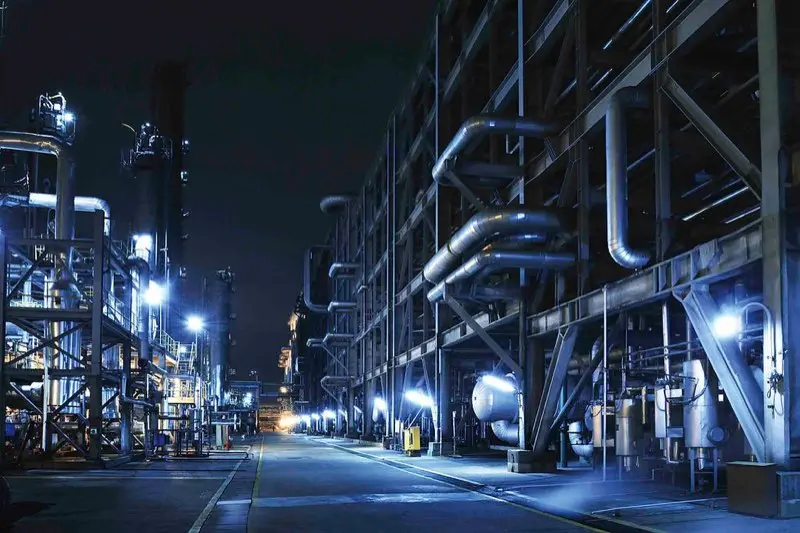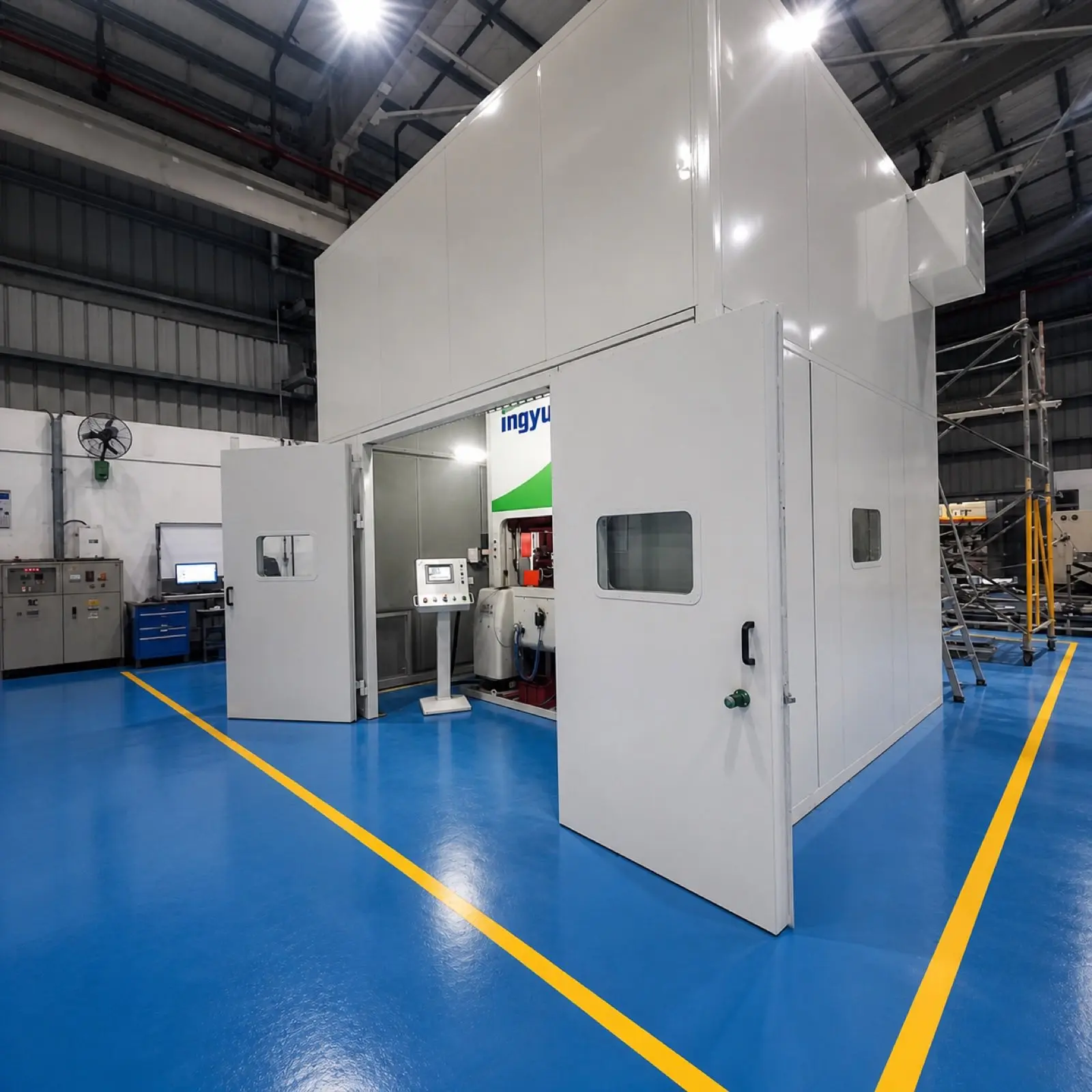
The oil and gas industry presents some of the most challenging noise control engineering problems in any industrial sector. Noise sources are numerous, intense, and often located in hazardous classified areas where explosion protection requirements add layers of complexity to noise control design. From upstream production facilities and gas processing plants to refineries and petrochemical complexes, noise control is a critical element of facility design that affects worker health, environmental compliance, and community relations. This guide provides a comprehensive overview of noise control for oil and gas applications.
Noise Sources in Oil & Gas Facilities
Upstream and Midstream
Compressor Stations: Gas compressors — centrifugal, reciprocating, and screw types — are the dominant noise sources in upstream and midstream facilities. A gas transmission compressor station with multiple large centrifugal compressors can produce combined noise levels exceeding 110 dB(A) at the compressor building. Compressor station noise includes casing radiation, intake and discharge noise, piping pulsation, and driver noise (gas turbine or electric motor).
Wellhead Equipment: Choke valves, flow control valves, and wellhead separators generate intense aerodynamic noise from high-pressure gas throttling. Choke valve noise can reach 100-115 dB(A) depending on pressure differential and flow rate.
Flare Systems: Gas flares produce noise from the combustion process (combustion roar at 50-200 Hz) and from the high-velocity gas jet at the flare tip (jet noise at higher frequencies). Ground flares can produce 95-105 dB(A) at the flare fence; elevated flares generate lower ground-level noise but can cause community complaints from the low-frequency rumble carried over long distances.
Refinery and Petrochemical
Process Furnaces and Heaters: Burner noise from fired heaters and furnaces is a persistent broadband noise source, typically 85-100 dB(A) at the furnace wall, with low-frequency combustion rumble that propagates efficiently over long distances.
Pressure Relief and Blow-Down: Safety valves, blow-down systems, and pressure relief devices generate the highest single-event noise levels in a refinery — up to 140+ dB(A) during discharge. While intermittent, these events are the most common cause of community complaints.
Cooling Systems: Air-cooled heat exchangers (fin-fan coolers) and cooling tower fans produce persistent moderate-level noise (80-95 dB(A) per unit) that accumulates from multiple units to create significant background noise levels across the facility.
Rotating Equipment: Pumps, compressors, generators, motors, and turbines throughout the facility contribute to the overall noise environment. Individual units may not be problematic, but the cumulative effect of dozens of rotating machines is a persistent high background noise level.
Piping Systems: Control valves, desuperheaters, pressure-reducing stations, and high-velocity piping generate noise from turbulent flow, cavitation, and piping vibration. Noise from piping systems is difficult to locate and control because it is distributed over large areas.
Hazardous Area Requirements (ATEX)
Noise control in oil and gas facilities must comply with hazardous area classification requirements. In zones classified as Zone 1 or Zone 2 (IEC 60079-10), all noise control installations must be designed to prevent them from becoming ignition sources. Key ATEX requirements for noise control include:
Material Selection: Acoustic panel infill materials must be non-combustible (mineral wool, not glass wool or foam). Barrier materials must not generate static charge that could create a spark in a flammable atmosphere.
Enclosure Design: Acoustic enclosures in hazardous areas must incorporate gas detection, emergency ventilation (to prevent accumulation of flammable gases inside the enclosure), and explosion relief provisions. Electrical systems within the enclosure (lighting, fans, detectors, alarms) must be appropriately certified for the zone classification.
Ventilation: The acoustic enclosure ventilation system must maintain the internal gas concentration below the lower explosive limit (LEL) at all times. This requires continuous ventilation with monitoring, and emergency high-volume ventilation that activates if gas is detected. Ventilation airflow rates are often driven by ATEX requirements rather than thermal requirements, resulting in larger (and more expensive) ventilation systems.
Structural Integrity: In some applications, the acoustic enclosure must be designed to withstand blast loading from adjacent explosions. This requires structural analysis and may result in panel constructions significantly heavier than would be needed for acoustic purposes alone.
Solutions by Equipment Type
Compressor Noise Control
Compressor station noise control in oil and gas facilities typically requires a comprehensive package:
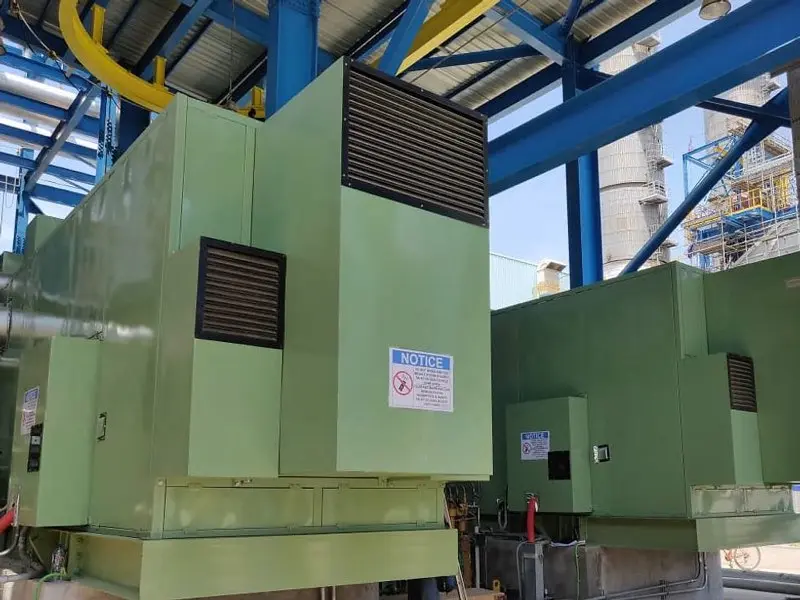
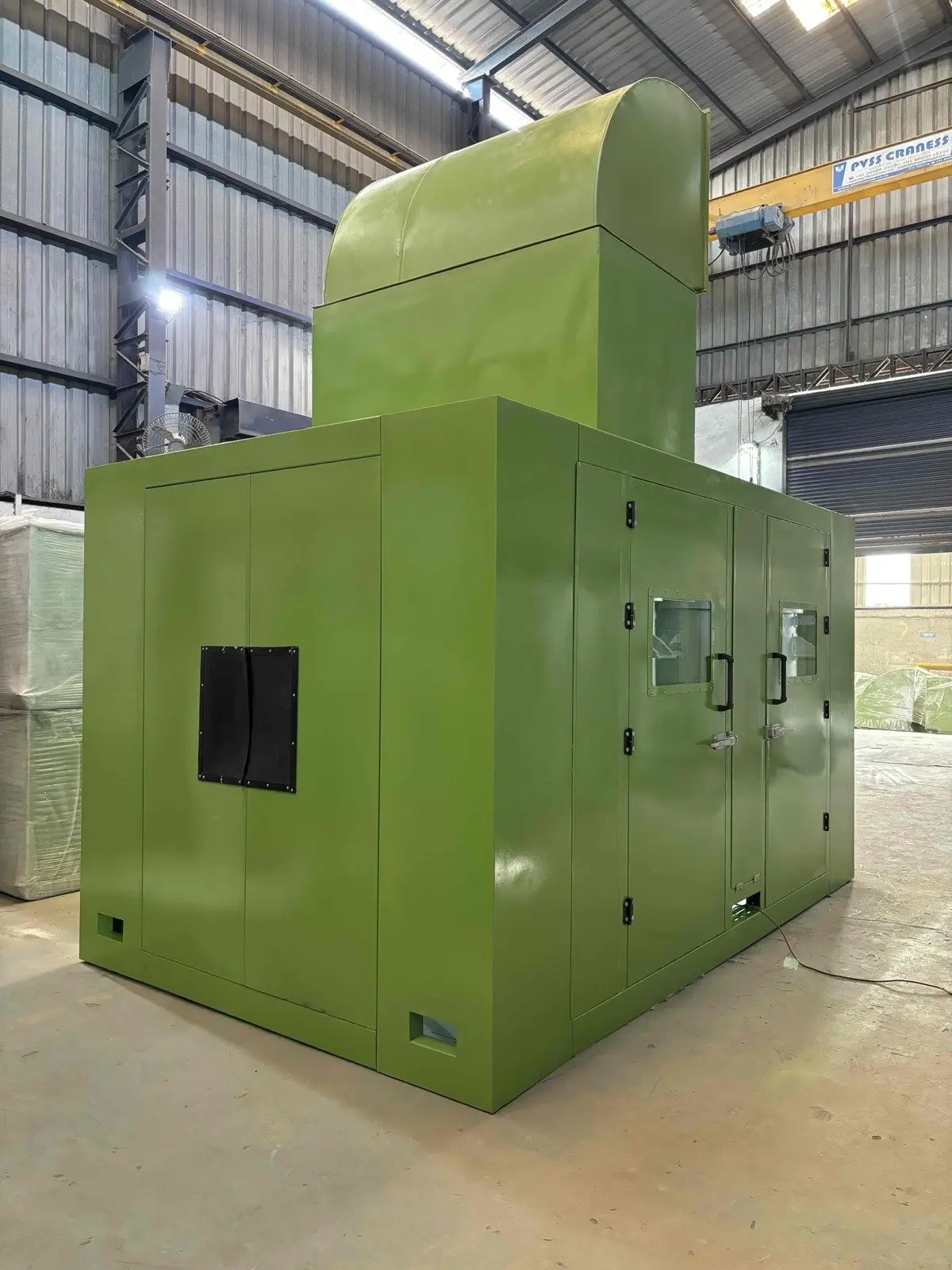
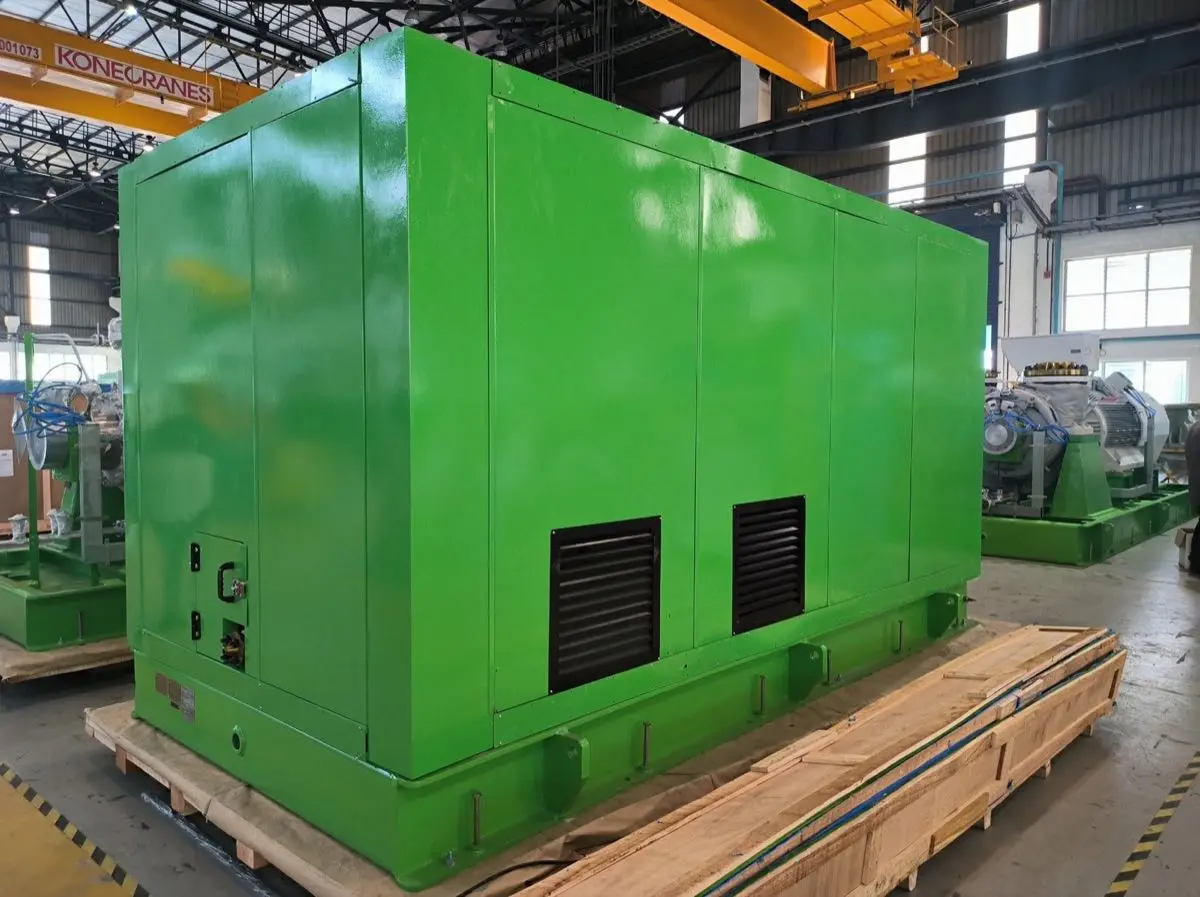
- Acoustic enclosure for the compressor and driver (20-35 dB(A) reduction), ATEX-rated with gas detection and emergency ventilation
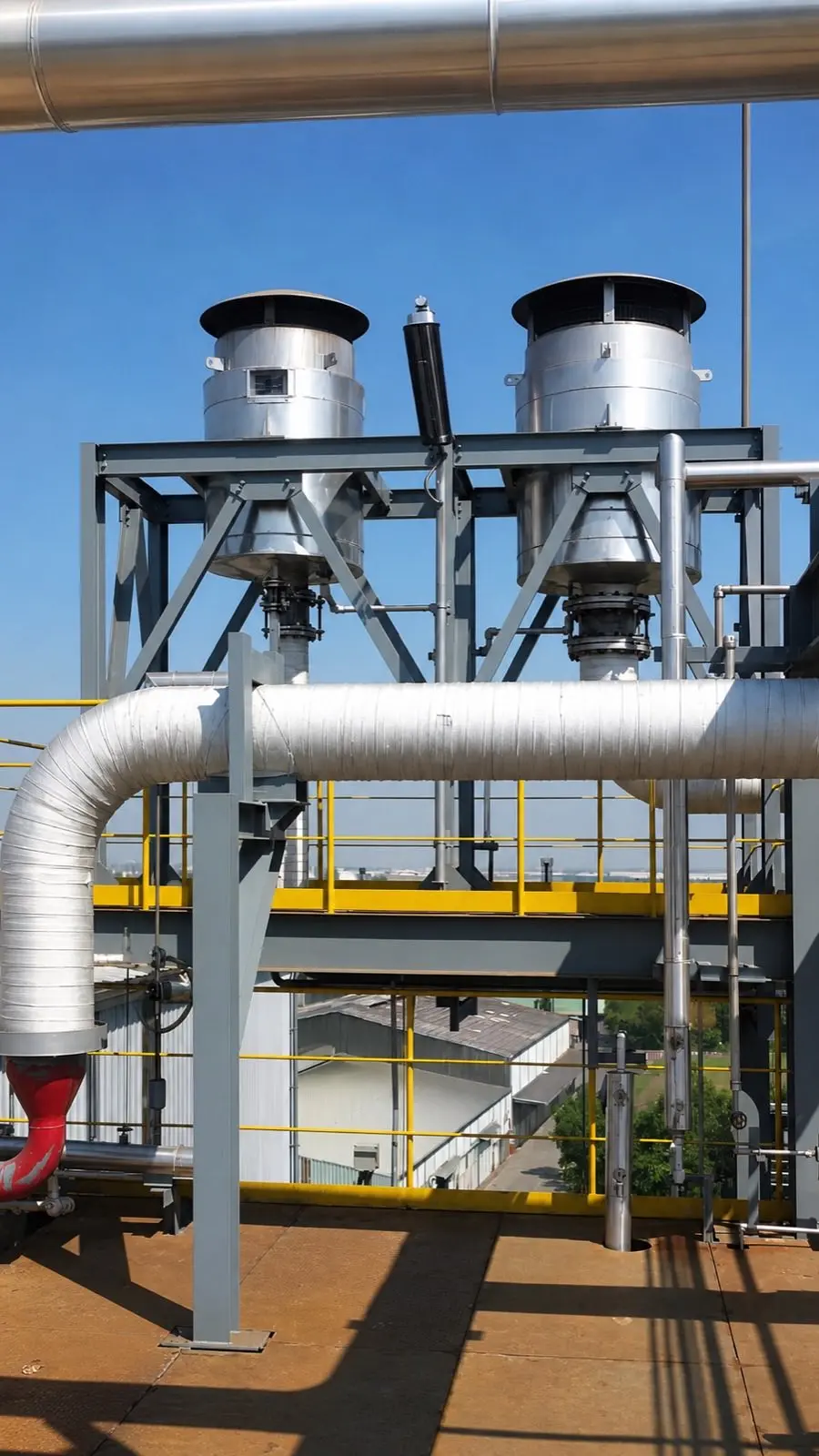
- Intake silencer for centrifugal compressors (15-25 dB(A) reduction on intake noise)
- Discharge silencer if the discharge piping terminates or has significant noise radiation
- Pulsation dampeners with acoustic treatment for reciprocating compressors
- Oil gas acoustic enclosures for lube oil systems, seal gas panels, and auxiliary equipment that contribute to the overall noise
A comprehensive compressor station noise treatment can reduce the overall facility noise by 25-35 dB(A) at the station boundary.
Flare Noise Control
Flare noise control options depend on the flare type:
- Enclosed ground flares: Inherently quieter than open flares; the combustion chamber walls provide 15-20 dB(A) noise reduction. Preferred for facilities near communities
- Multi-point ground flares: Split the single large flame into many smaller flames, reducing total combustion noise by 10-15 dB(A)
- Flare tip modifications: Coanda-effect flare tips, air-assisted tips, and multi-arm tips reduce jet noise at the source
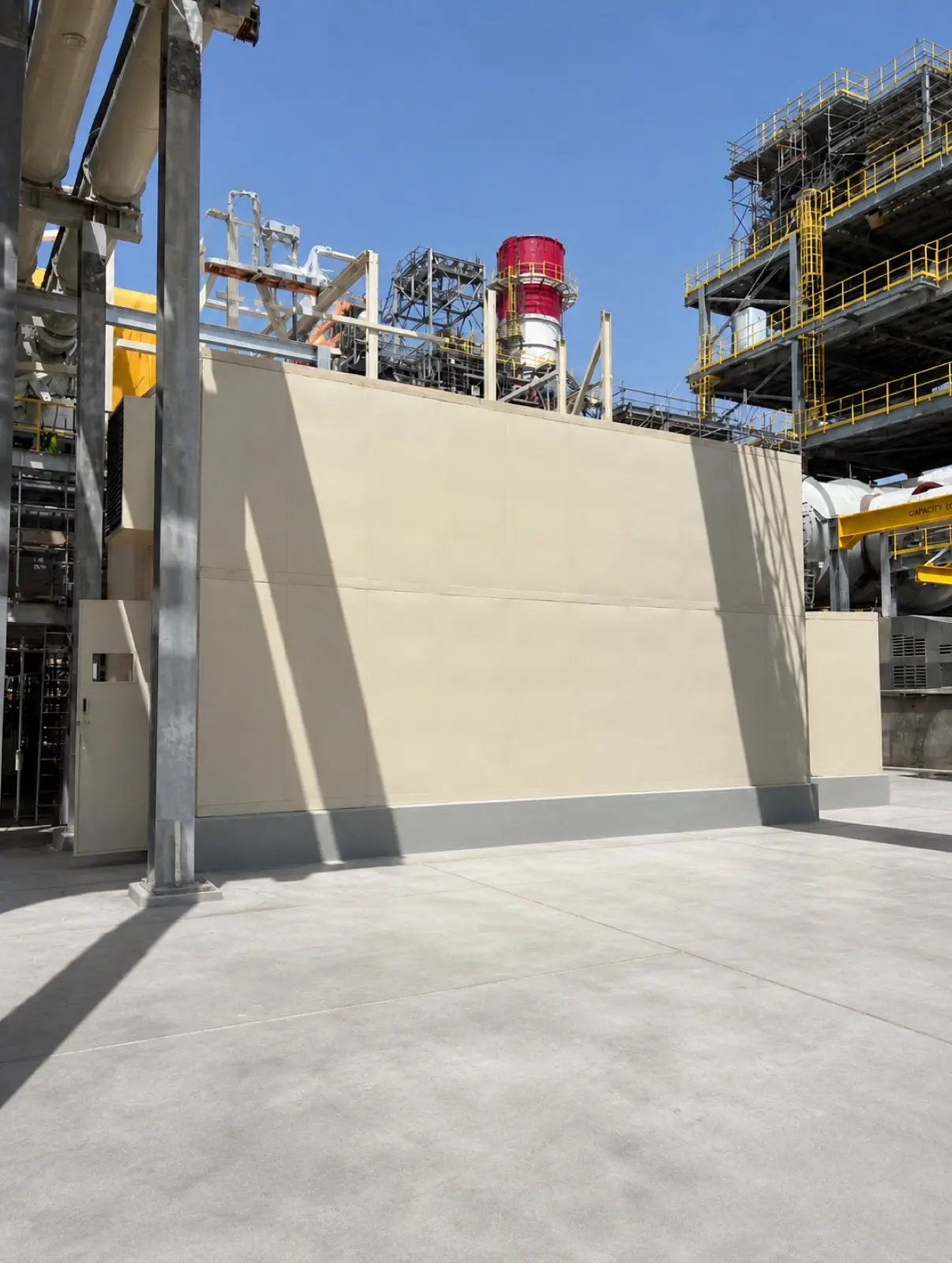
- Noise barriers around ground flares: Solid barriers around the flare fence perimeter provide 5-10 dB(A) additional reduction at ground level
Valve Noise Control
Control valve noise in refineries is addressed through:
- Low-noise valve trim: Multi-stage, multi-path trim designs that reduce throttling noise at the source by 10-20 dB(A). This is always the preferred first approach
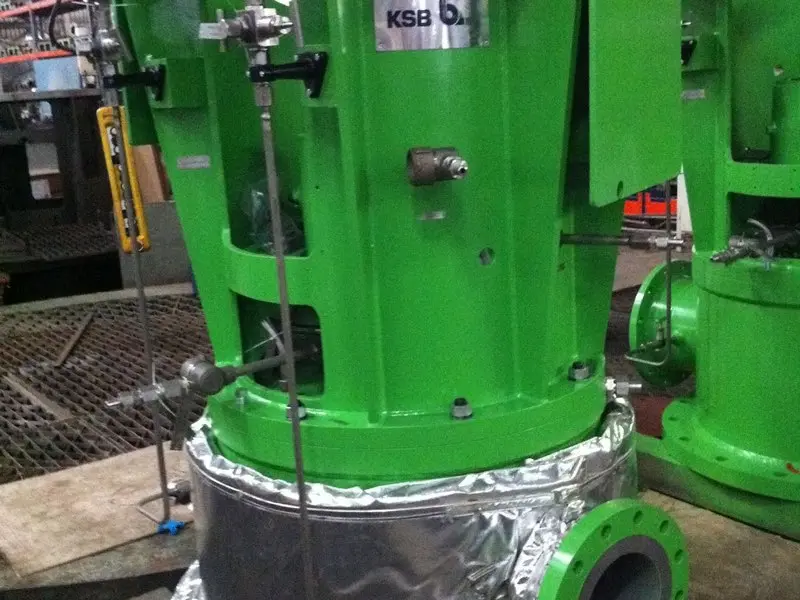
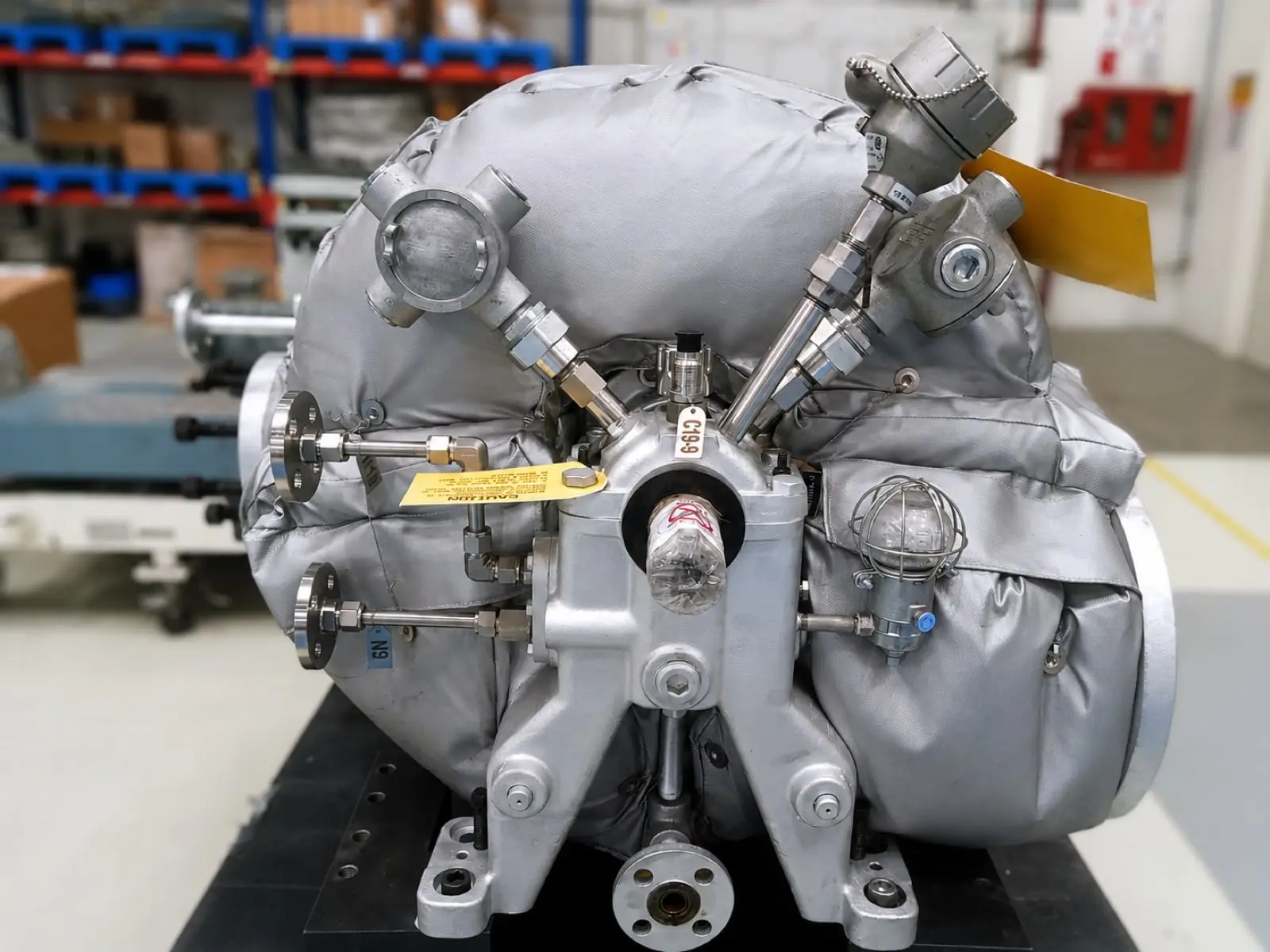
- Acoustic insulation jackets: Removable NoiseLAG blankets on valve bodies and adjacent piping (8-15 dB(A))
- Downstream diffusers: Inline diffuser elements that break up turbulent flow downstream of the valve
- Pipe wrapping: Acoustic lagging on piping downstream of noisy valves
Cooling System Noise
Refinery noise reduction from cooling systems involves:
- Low-noise fan blades: Replacing standard fan blades with aerodynamically optimized low-noise designs (3-8 dB(A) reduction)
- Fan tip seals: Reducing the gap between fan blade tips and the fan ring to minimize tip vortex noise
- Inlet and discharge silencers: Absorptive silencers on the air intake and/or discharge of air-cooled heat exchangers
- Noise barriers: Solid barriers between cooling equipment and the plant boundary
Environmental Compliance
Oil and gas facilities face stringent environmental noise requirements:
- India (CPCB): 75 dB(A) day / 70 dB(A) night at the industrial area boundary; 55 dB(A) day / 45 dB(A) night at the nearest residential area
- International: Many oil and gas facilities are required to meet World Bank/IFC noise guidelines (70 dB(A) day / 55 dB(A) night at the facility boundary) or host country regulations, whichever is more stringent
Achieving these limits requires noise to be addressed at the design stage (FEED study) through:
1. Equipment selection with noise limits in purchase specifications 2. Facility layout optimization (locating noisy equipment away from boundaries) 3. Building envelope design (control rooms, substations) 4. Residual noise treatment (enclosures, barriers, silencers, blankets) for equipment that cannot meet specification limits at source
Project Execution Approach
Noise control for oil and gas facilities is most effective when integrated into the project from the FEED study stage:
FEED Stage: Preliminary noise modeling based on equipment layouts and vendor noise data. Identify noise-critical equipment and set noise specifications for procurement. Establish the noise budget for the facility.
Detailed Engineering: Detailed noise modeling with confirmed equipment noise data. Design noise control treatments (enclosures, barriers, silencers). Integrate noise control into piping, structural, and electrical designs.
Procurement and Construction: Manufacture noise control equipment. Install during the main construction phase (not as an afterthought). Coordinate with other disciplines for services (power, instrumentation, structural supports).
Commissioning: Verify noise levels with comprehensive noise surveys. Compare results to design predictions and contractual guarantees. Implement corrective measures if targets are not met.
Conclusion
Noise control in the oil and gas industry demands engineering solutions that are robust, ATEX-compliant, and designed for the harsh operating environment of refineries and production facilities. The combination of intense noise sources, hazardous area requirements, extreme temperatures, and corrosive atmospheres makes oil and gas noise control one of the most demanding specializations in industrial acoustics.
ARK Noise Control has extensive experience in oil and gas noise control, from FEED study acoustic modeling to detailed design, manufacture, and commissioning support. Our solutions are proven in refineries, gas processing plants, compressor stations, and petrochemical complexes across India. Contact our engineering team to discuss your oil and gas noise control requirements.