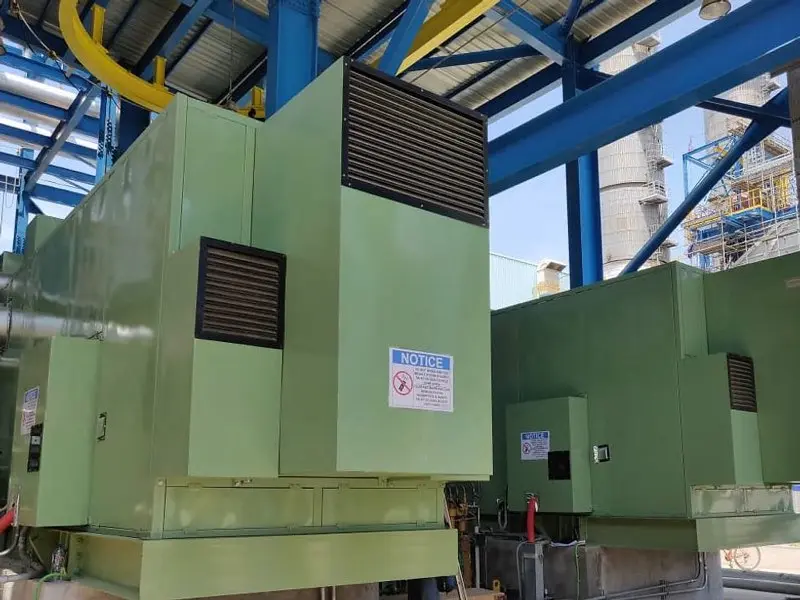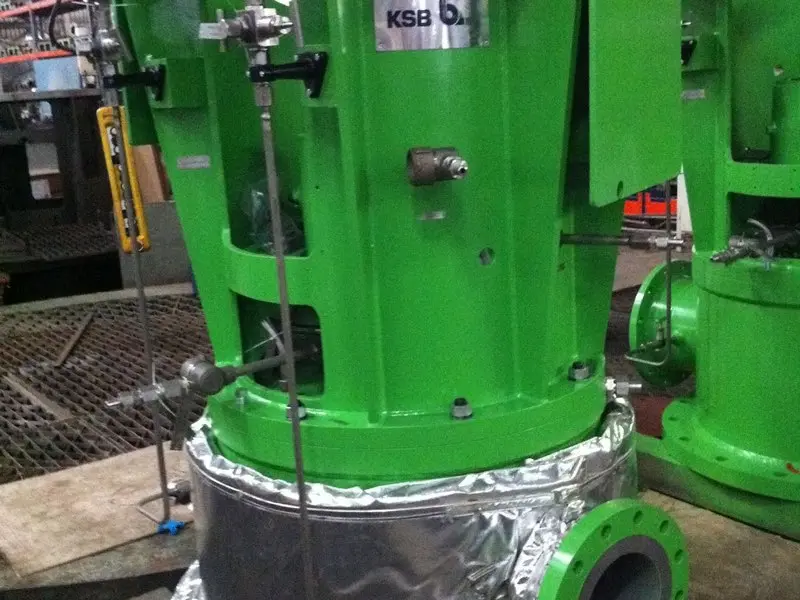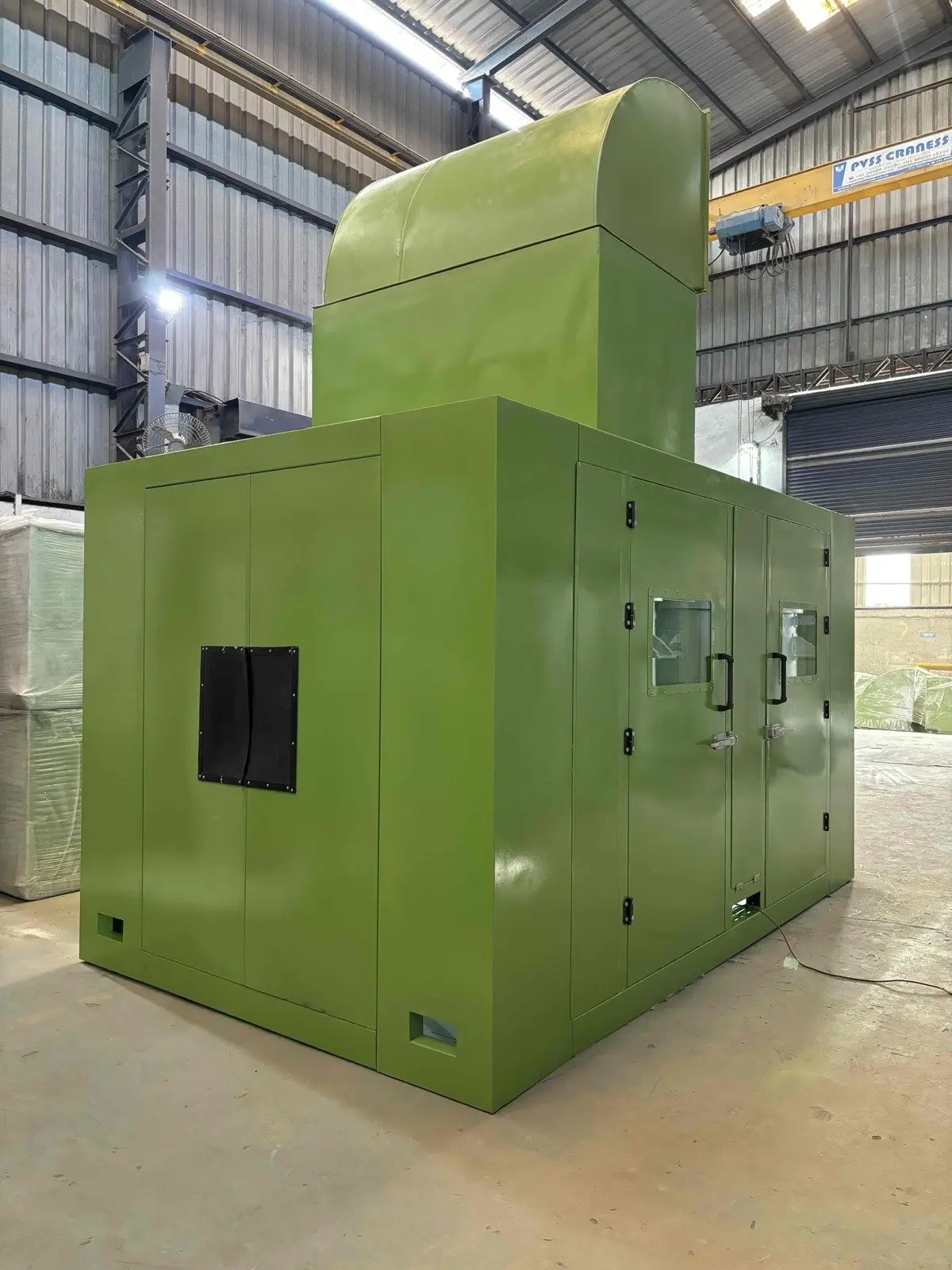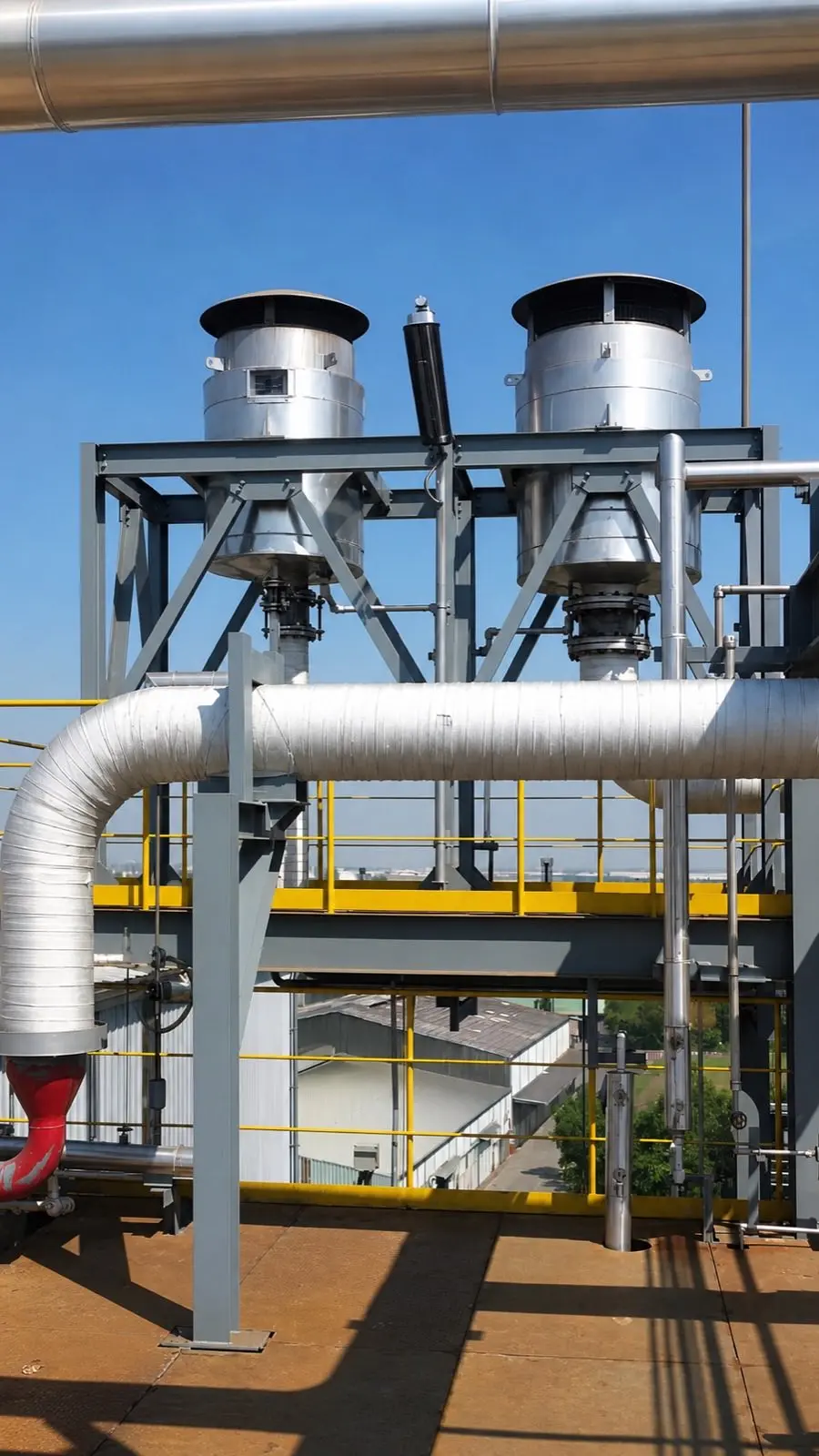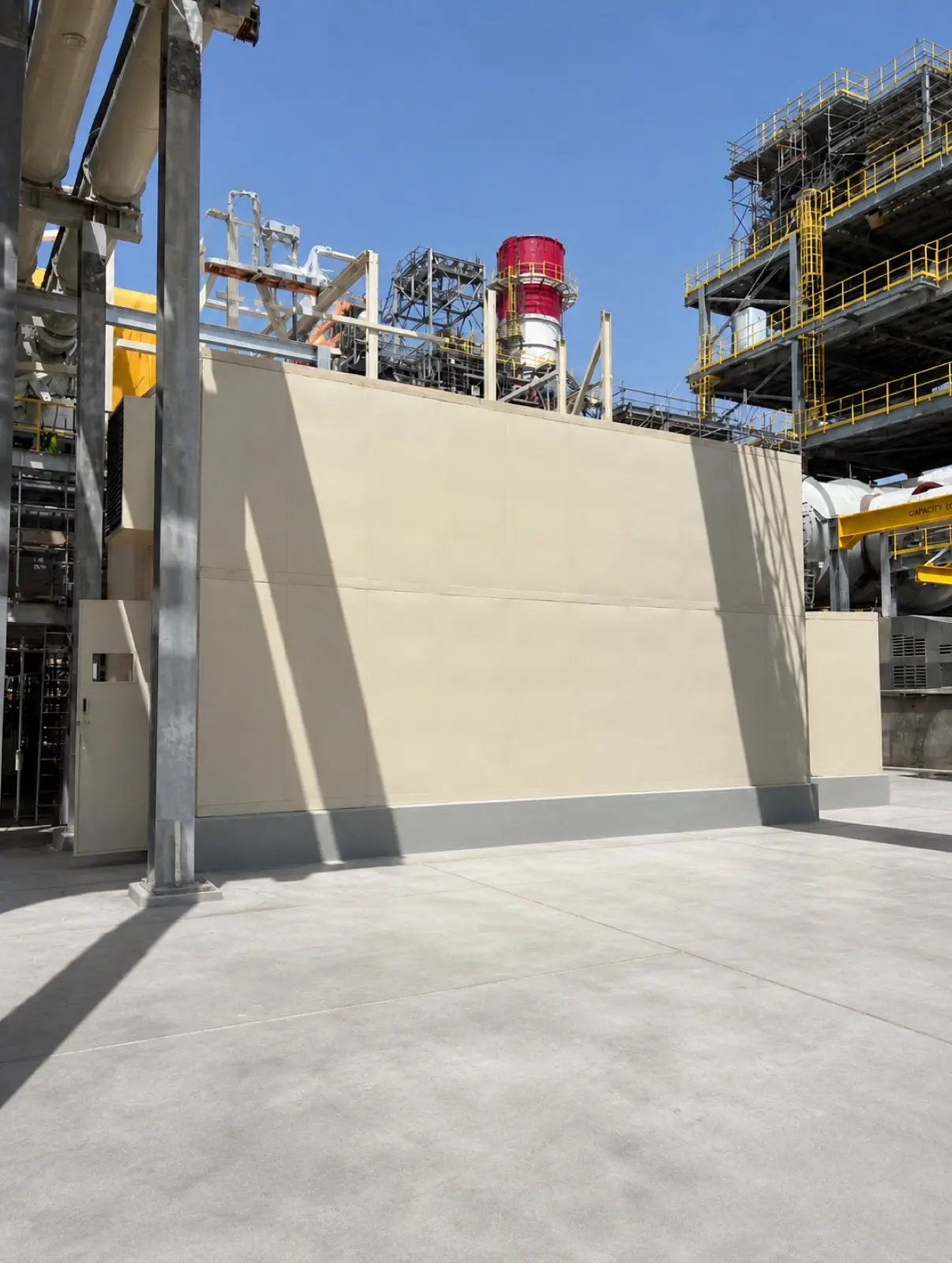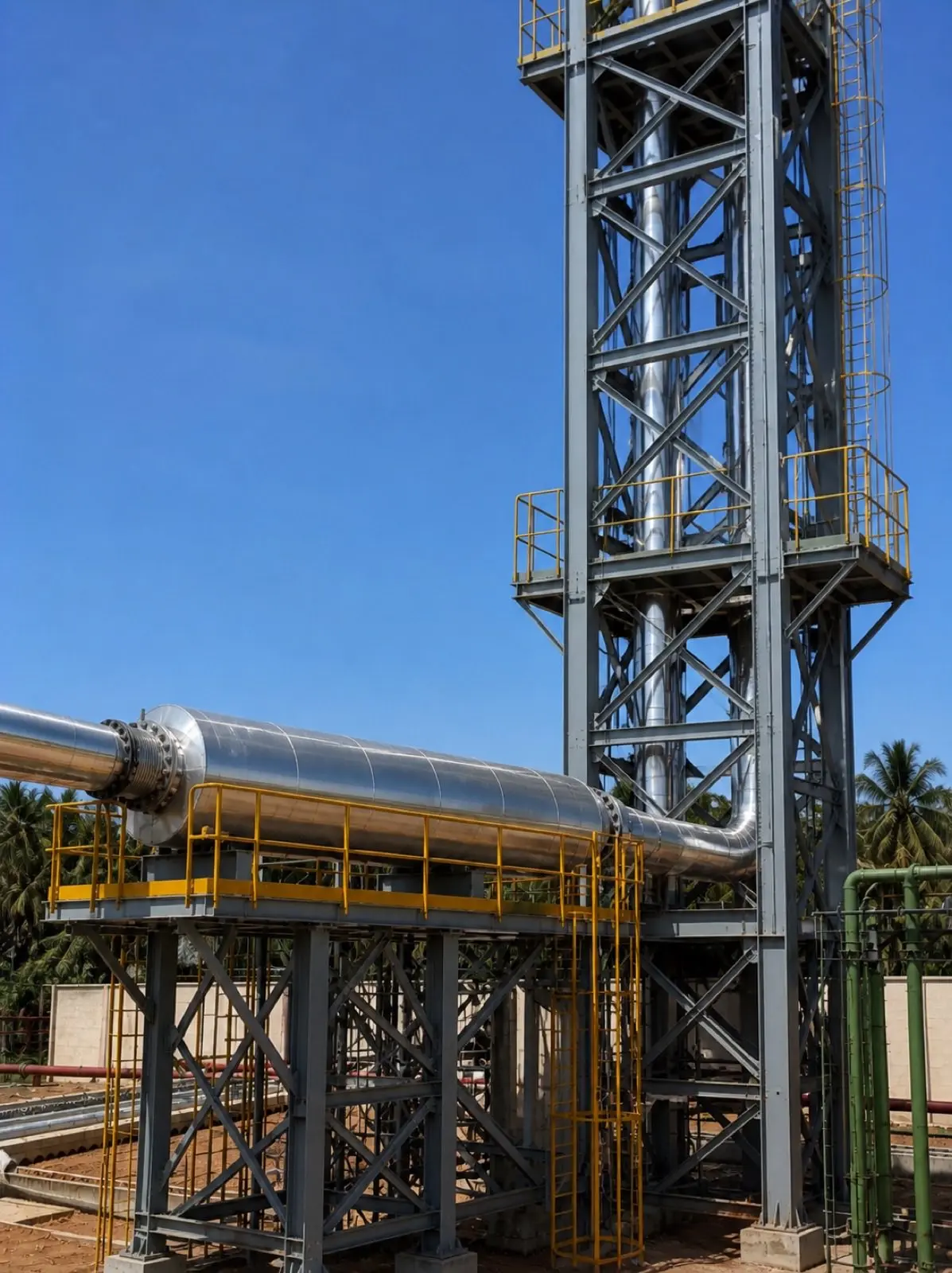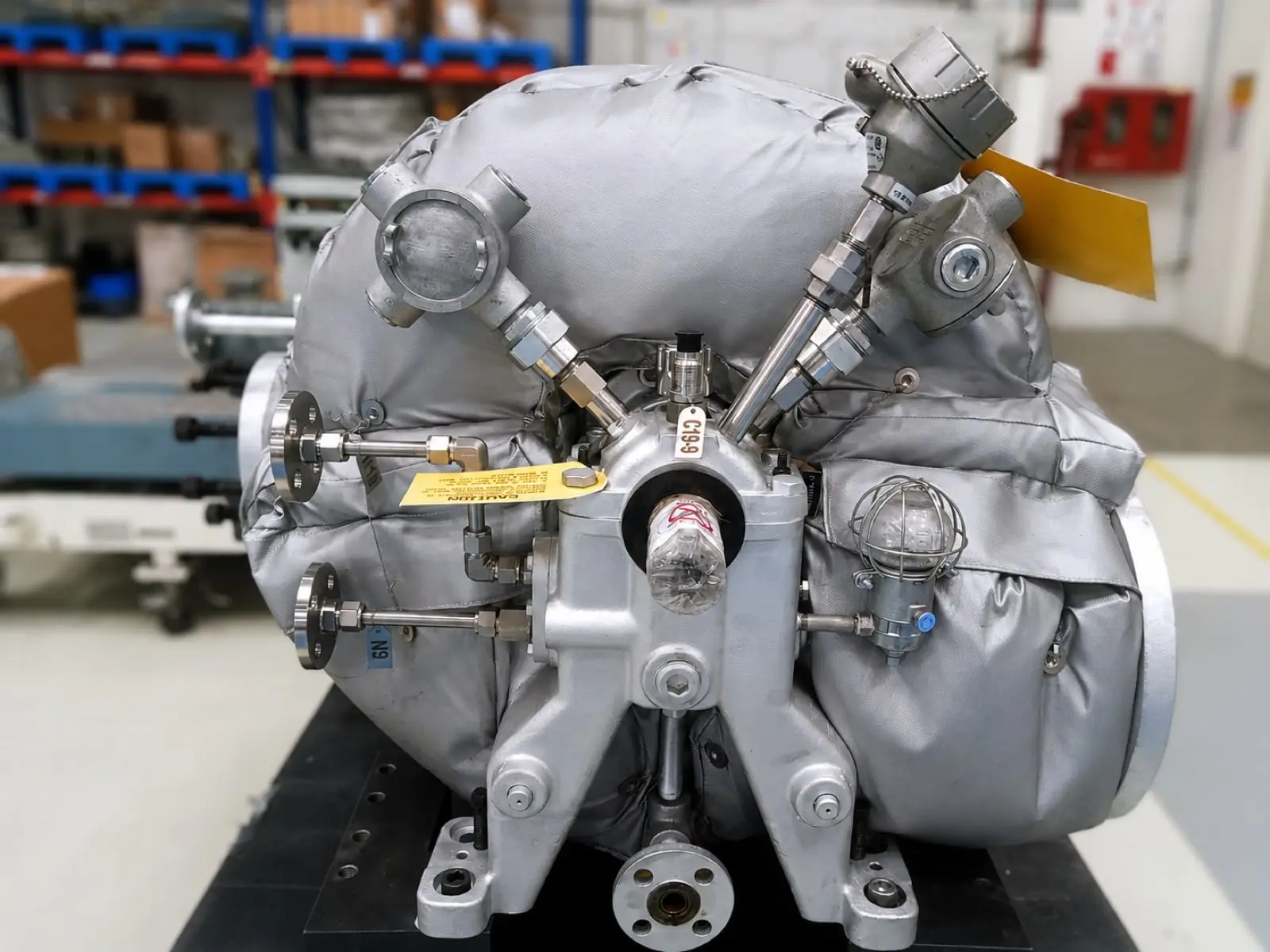
For EPC (Engineering, Procurement, and Construction) contractors, noise control is a critical but often underspecified element of industrial project delivery. Inadequate noise control specifications lead to non-compliant facilities, costly retrofits, project delays, contractual disputes, and reputational damage. Conversely, well-crafted noise control specifications ensure that vendors deliver solutions that meet the project's acoustic requirements reliably and verifiably. This guide provides practical guidance for EPC procurement and engineering teams on how to specify, evaluate, and manage noise control packages.
Why Noise Control Specifications Matter
Noise control is frequently one of the last items specified in a project, often receiving less engineering attention than process, mechanical, or electrical systems. This is a costly oversight for several reasons:
Regulatory compliance is non-negotiable: Environmental noise limits (CPCB in India, state/local regulations elsewhere) are legal requirements. A facility that cannot meet its noise consent conditions faces operating restrictions, fines, and potential shutdown orders.
Retrofit costs are 3-5x higher than design-stage solutions: Noise control measures designed into the project from the outset can be integrated with structural, mechanical, and electrical systems efficiently. Retrofitting noise control after construction — or worse, after commissioning — requires working around existing equipment and infrastructure, dramatically increasing cost.
Noise performance depends on system-level design: A noise control vendor can deliver a perfect acoustic enclosure, but if the enclosure ventilation system is undersized, the access doors don't seal properly, or the piping penetrations are not treated, the enclosure will not meet its performance specification. Noise performance is a system-level outcome that requires coordination across disciplines.
What to Specify: The Essential Elements
A complete noise control specification for an EPC project should include the following elements:
1. Noise Criteria
Clearly state all noise limits that the facility must meet:
Occupational noise limits: The maximum permissible noise level at worker positions, specified as dB(A) at a defined distance (e.g., "85 dB(A) at 1 meter from equipment surface" or "85 dB(A) at operator position"). State the applicable standard (OSHA, ACGIH, EU 2003/10/EC, Factories Act).
Environmental noise limits: The maximum permissible noise level at the plant boundary and at identified noise-sensitive receivers, specified as dB(A) Leq for day and night periods. State the applicable standard (CPCB, state regulation, World Bank/IFC guidelines). Include the measurement location coordinates.
Equipment noise limits: The maximum allowable noise level for individual equipment items, specified in the equipment purchase specification. This is the mechanism by which the EPC contractor controls the noise input to the facility and forms the basis for noise control design. Equipment noise limits should be specified as Sound Power Level (SWL) in dB(A) and octave bands (63 Hz to 8 kHz) rather than Sound Pressure Level (SPL), because SWL is independent of measurement distance and environment.
2. Acoustic Specification Requirements
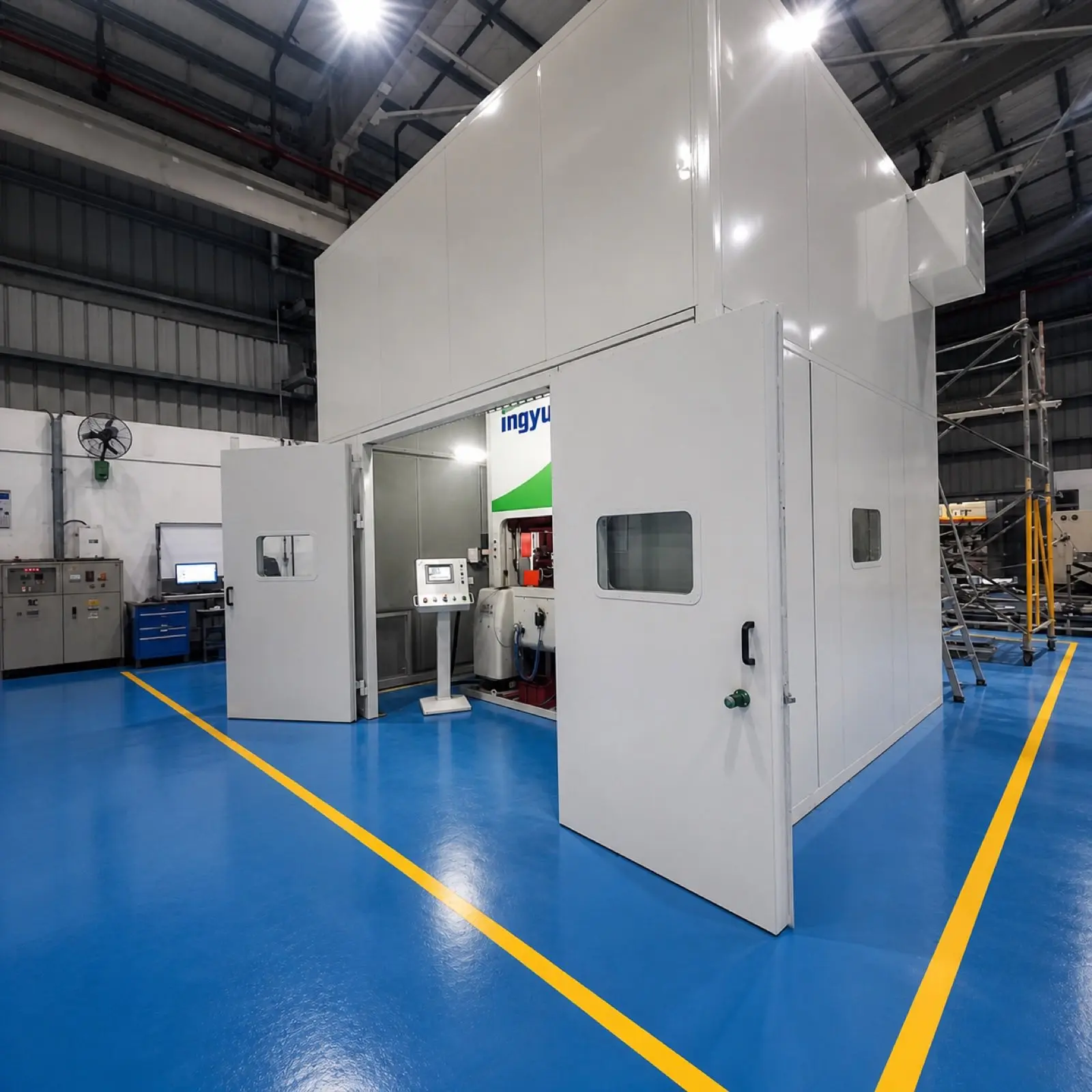
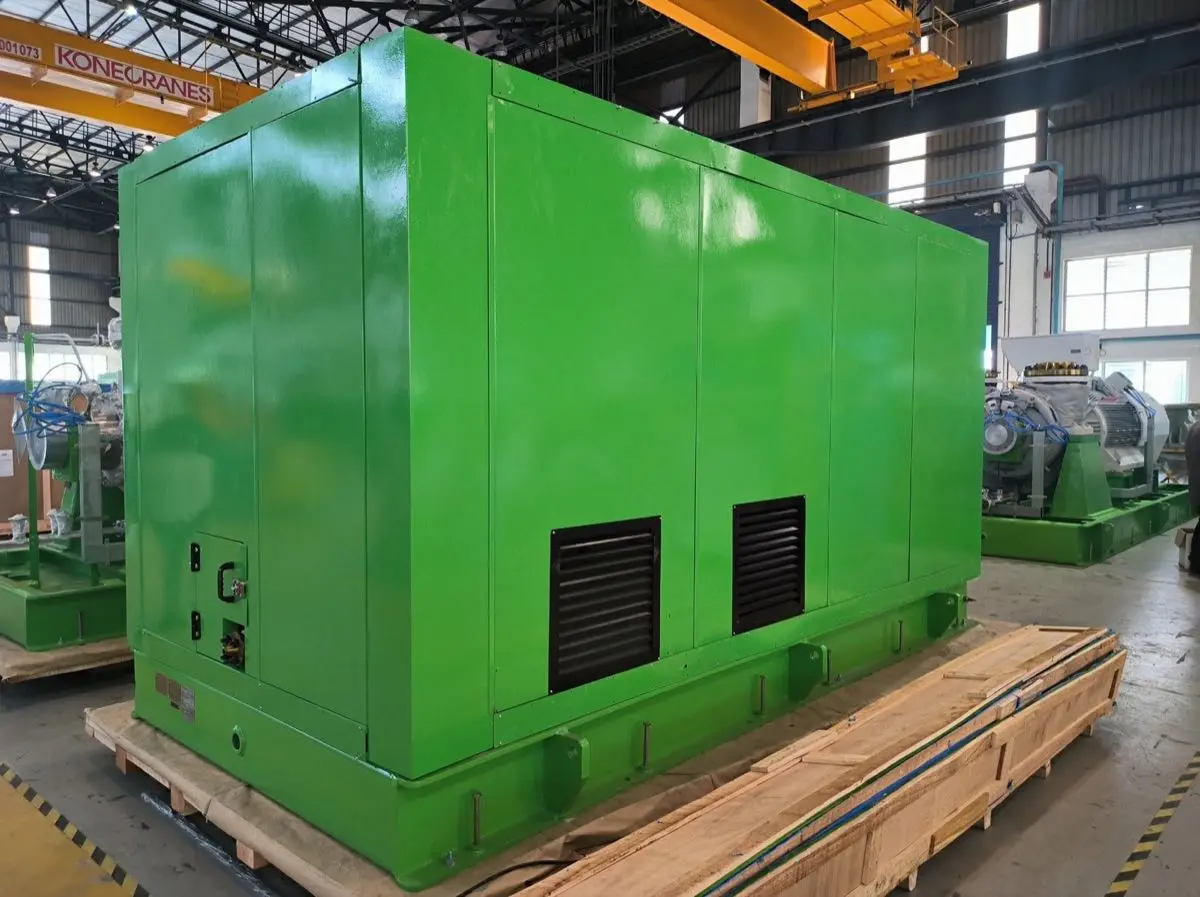
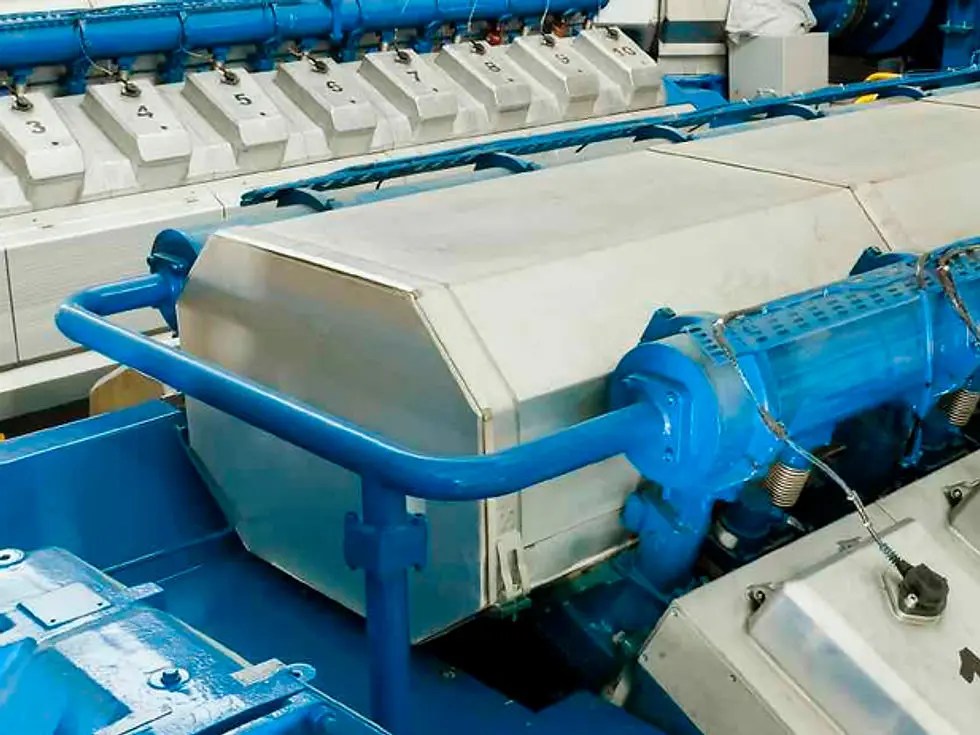
For noise control equipment (enclosures, silencers, barriers, blankets), specify:
Performance requirements:
- Insertion loss or noise reduction in dB(A) and octave bands
- Sound Transmission Class (STC) for enclosure panels
- Noise Reduction Coefficient (NRC) for absorptive linings
- Self-generated noise limits for silencers
- Pressure drop limits for silencers (in Pa or kPa)
Design requirements:
- Applicable design codes (structural, pressure vessel where applicable)
- Material specifications (carbon steel, stainless steel, aluminium; insulation type and density)
- Environmental conditions (temperature range, humidity, corrosive atmosphere, hazardous area classification)
- Ventilation requirements for enclosures (temperature rise limit, ATEX requirements)
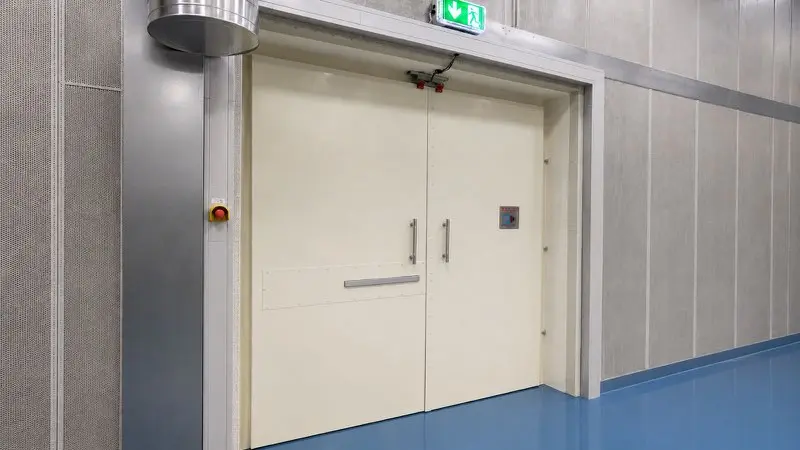
- Access provisions (door sizes, removable panels, windows, service penetrations)
- Surface treatment and coating specifications
- Seismic requirements where applicable
Documentation requirements:
- Acoustic design calculations
- Structural calculations
- Manufacturing drawings (for approval before fabrication)
- Material certificates
- Quality assurance/quality control (QA/QC) documentation
- Installation instructions
- Operation and maintenance manual
3. Performance Guarantees
The specification must clearly define how noise control performance will be verified and what constitutes compliance:
Guarantee point: The specific location(s) at which the guaranteed noise level applies. This should be the same as the regulatory compliance point (plant boundary, nearest receiver) or the equipment operator position.
Guarantee level: The maximum noise level guaranteed at the guarantee point, in dB(A). Specify whether this is a hard guarantee (no tolerance) or whether a tolerance margin is included (e.g., "+2 dB(A) tolerance"). Best practice is to specify a hard guarantee and to build the vendor's design margin into the specification level.
Guarantee conditions: The operating conditions under which the guarantee applies (equipment at full load, specified ambient conditions, all doors and panels closed). The guarantee should apply under normal operating conditions, not idealized laboratory conditions.
Guarantee verification: The measurement standard to be used for verification (ISO 3744, ISO 11957, ISO 8297, or as specified). The measurement procedure should be agreed upon before the vendor submits the proposal, not negotiated after installation.
Guarantee remedy: What happens if the guarantee is not met. Typical remedies include:
- Vendor modifies the installation at own cost until guarantee is met
- Liquidated damages (LD) for noise levels exceeding the guarantee by up to a defined margin
- Rejection of the equipment for noise levels exceeding the guarantee by more than the defined margin
4. Testing Standards
Specify the testing standards that apply to noise control equipment:
- ISO 11957: Acoustic performance testing of acoustic enclosures (insertion loss measurement)
- ISO 7235: Acoustic performance testing of duct silencers (insertion loss, self-generated noise, pressure drop)
- ISO 3744 / ISO 3746: Determination of sound power levels of noise sources (for equipment noise verification)
- ISO 8297: Determination of sound power levels of multisource industrial plants
- ASTM E90 / ISO 10140: Laboratory measurement of sound transmission loss (for panel STC rating)
- ASTM C423 / ISO 354: Laboratory measurement of sound absorption coefficients (for NRC rating)
5. Vendor Evaluation Criteria
Include evaluation criteria in the specification to guide the procurement team's vendor assessment:
Technical evaluation factors:
- Demonstrated experience with similar applications (reference projects, client testimonials)
- In-house acoustic engineering capability (qualified acousticians, acoustic modeling software)
- Manufacturing capability (factory facilities, quality management system certification)
- Design approach and innovation (multi-absorptive technology, advanced materials, modular construction)
- Comprehensiveness of technical proposal (calculations, drawings, performance predictions)
Commercial evaluation factors:
- Total installed cost (not just equipment cost — include freight, installation, commissioning support)
- Performance guarantee structure (firm guarantees vs "design targets")
- Warranty terms and conditions
- Delivery schedule and reliability
- Lifecycle cost (maintenance requirements, expected service life, replacement parts availability)
Weight the evaluation to favor technical merit and performance guarantees over price. A noise control package that is 20% cheaper but does not meet the performance guarantee will cost far more in retrofits and project delays.
FEED Study Integration
The most cost-effective noise control outcomes are achieved when noise control is integrated into the project from the Front-End Engineering Design (FEED) study:
FEED Stage Noise Study Scope
A FEED study noise assessment should include:
1. Facility noise model: A computational acoustic model of the proposed facility based on the plot plan, equipment layout, building locations, and terrain. Vendor noise data (sound power levels from equipment data sheets) is input to the model.
2. Compliance prediction: The model predicts noise levels at the plant boundary and at all identified noise-sensitive receivers. Compliance with applicable noise limits is assessed for the proposed layout.
3. Noise budget: A noise budget allocates the total allowable noise level at each receiver point among the individual equipment items. This noise budget forms the basis for equipment noise specifications in the purchase orders.
4. Noise control requirements identification: The model identifies equipment that will require noise control treatment (enclosures, silencers, barriers, blankets) to meet the noise budget. Preliminary sizing and cost estimates for these treatments are developed.
5. Layout optimization: The model is used to evaluate layout alternatives that minimize noise impact — for example, relocating noisy equipment away from the plant boundary, using buildings as noise shields, or re-orienting directional sources.
Benefits of FEED-Stage Noise Integration
- Cost savings: Equipment noise specifications prevent over-noisy equipment from being purchased, reducing the need for after-the-fact noise control treatment
- Layout optimization: Noise-informed layout changes cost nothing at the FEED stage but save millions in noise control retrofit costs
- Procurement clarity: Equipment vendors receive clear noise specifications, enabling accurate pricing and eliminating disputes about noise performance
- Design coordination: Noise control treatments can be integrated into structural, mechanical, and electrical designs from the outset, avoiding costly rework during detailed engineering
Turnkey Noise Control: The Vendor's Role
For complex projects, EPC contractors increasingly engage noise control vendors as turnkey noise control providers rather than purchasing individual noise control products. A turnkey approach means the noise control vendor takes responsibility for:
1. Acoustic design (modeling, source identification, treatment selection) 2. Detailed engineering (acoustic, structural, mechanical, electrical) 3. Manufacturing of all noise control equipment 4. Delivery to site 5. Installation supervision or full installation 6. Commissioning noise survey and performance verification 7. Performance guarantee for the overall noise outcome at defined receiver points
The turnkey approach provides the EPC contractor with a single point of responsibility for noise compliance — significantly reducing coordination effort and contractual risk.
Common Mistakes in Noise Control Procurement
Specifying dB(A) only: Without octave-band requirements, a vendor can meet the overall dB(A) specification while leaving problematic tonal frequencies untreated.
Accepting "design target" instead of "performance guarantee": A design target carries no contractual obligation. Always insist on a firm performance guarantee with defined remedy for non-compliance.
Separating noise control from the equipment vendor scope: When the equipment vendor is not responsible for noise performance, there is no incentive to deliver low-noise equipment. Include noise limits in all equipment purchase specifications with clear consequences for non-compliance.
Deferring noise control to the construction phase: By the time construction begins, the layout is fixed, the equipment is purchased, and the options for cost-effective noise control are severely limited. Integrate noise control from FEED onward.
Selecting on price alone: The cheapest noise control proposal is often the one with the weakest performance guarantee, the thinnest engineering, and the highest probability of non-compliance. Evaluate on technical merit and guarantee strength first, then negotiate price.
Conclusion
Noise control specification for EPC projects is a critical engineering and procurement function that directly impacts regulatory compliance, project cost, and facility operability. By specifying clear noise criteria, robust performance requirements, verifiable guarantees, and competent vendor evaluation criteria — and by integrating noise control into the project from the FEED stage — EPC contractors can deliver facilities that meet their noise obligations reliably and cost-effectively.
ARK Noise Control partners with EPC contractors across India and internationally, providing FEED study acoustic consultancy, detailed noise control engineering, turnkey supply of acoustic enclosures, silencers, barriers, and blankets, and post-commissioning performance verification. Our team understands the EPC project lifecycle and delivers noise control solutions that meet contractual commitments on schedule and within budget.